Heliography Project 1827–2027
An ongoing investigation into photography, permanence and loss.
. . .
1827–2027, The Last Photographs
200 Years of Photography
In the year of the bicentenary of photography, I use heliography — the first photographic process — to materially preserve images from Google Street View: photographic records whose digital existence may later disappear or be overwritten.
Google Street View is probably one of the last major attempts to automatically photographically record the visible world — mechanically, continuously, and without photographic intention.
I move through Google Street View searching for moments that were not made for the gaze. When I find such a moment, I translate it — the already existing photograph — into heliography after Nicéphore Niépce, 1827.
Bitumen on metal. Sunlight. Once. No repetition.
The material is bitumen — the binding agent of asphalt, the surface over which the Street View cameras travel. The road returns to the image.
Each work is unique: one box, one plate, one moment. 1827–2027.
. . .
Photographer
Venedig, Calle dei Tredici Martiri, April 2013
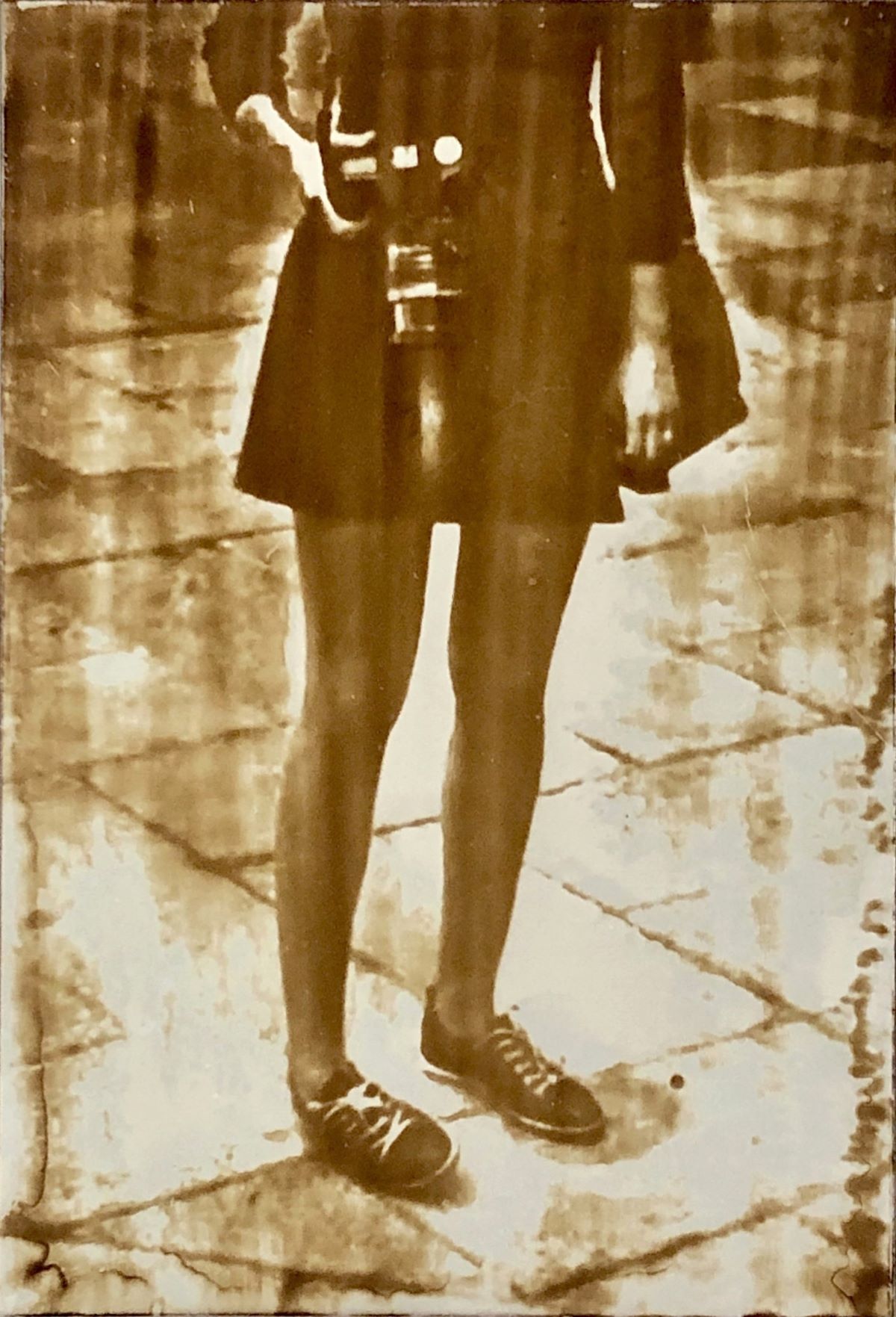
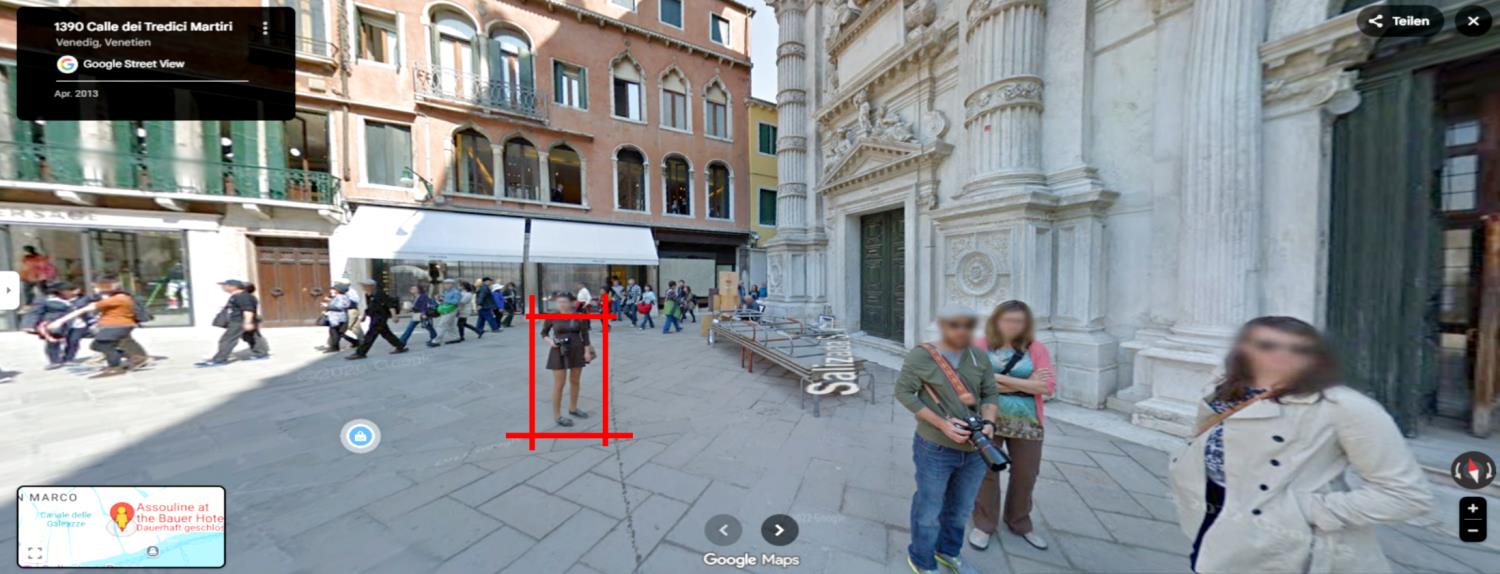
Venice, Calle dei Tredici Martiri, April 2013. Google’s cameras captured this frame. In September 2023 I found it, made an internegative, and exposed a 10 × 15 cm asphalt-coated aluminium plate. Six hours of sunlight. Contact process. Single exposure. I called the heliography Photographer.
Frame still accessible. Verified June 2026.
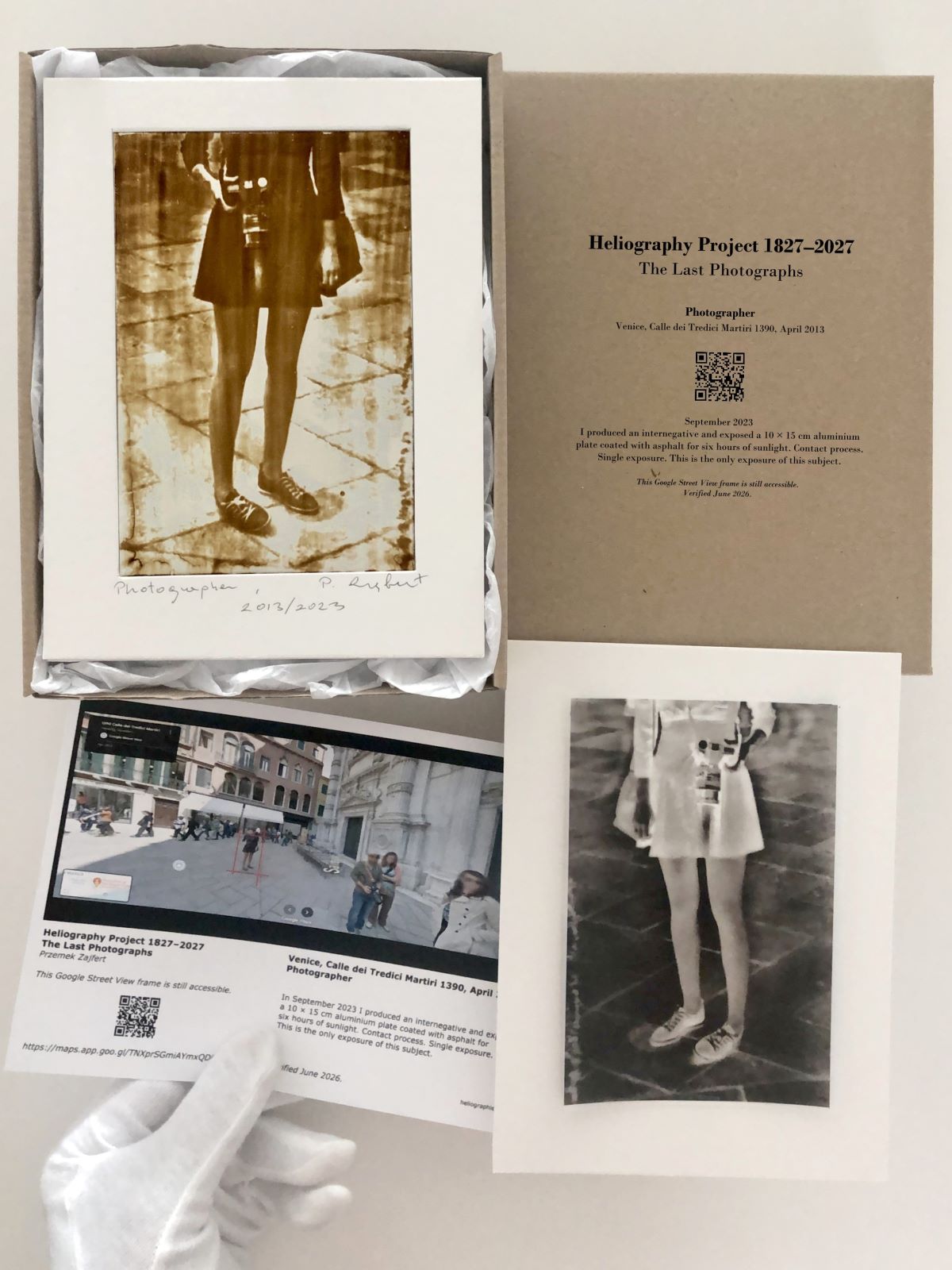
Edition Photographer: A5 box, heliograph, internegative, screenshot, image card with QR code linking to Google Street View.
. . .
The Woman with an Umbrella.
Singapur, January 2009
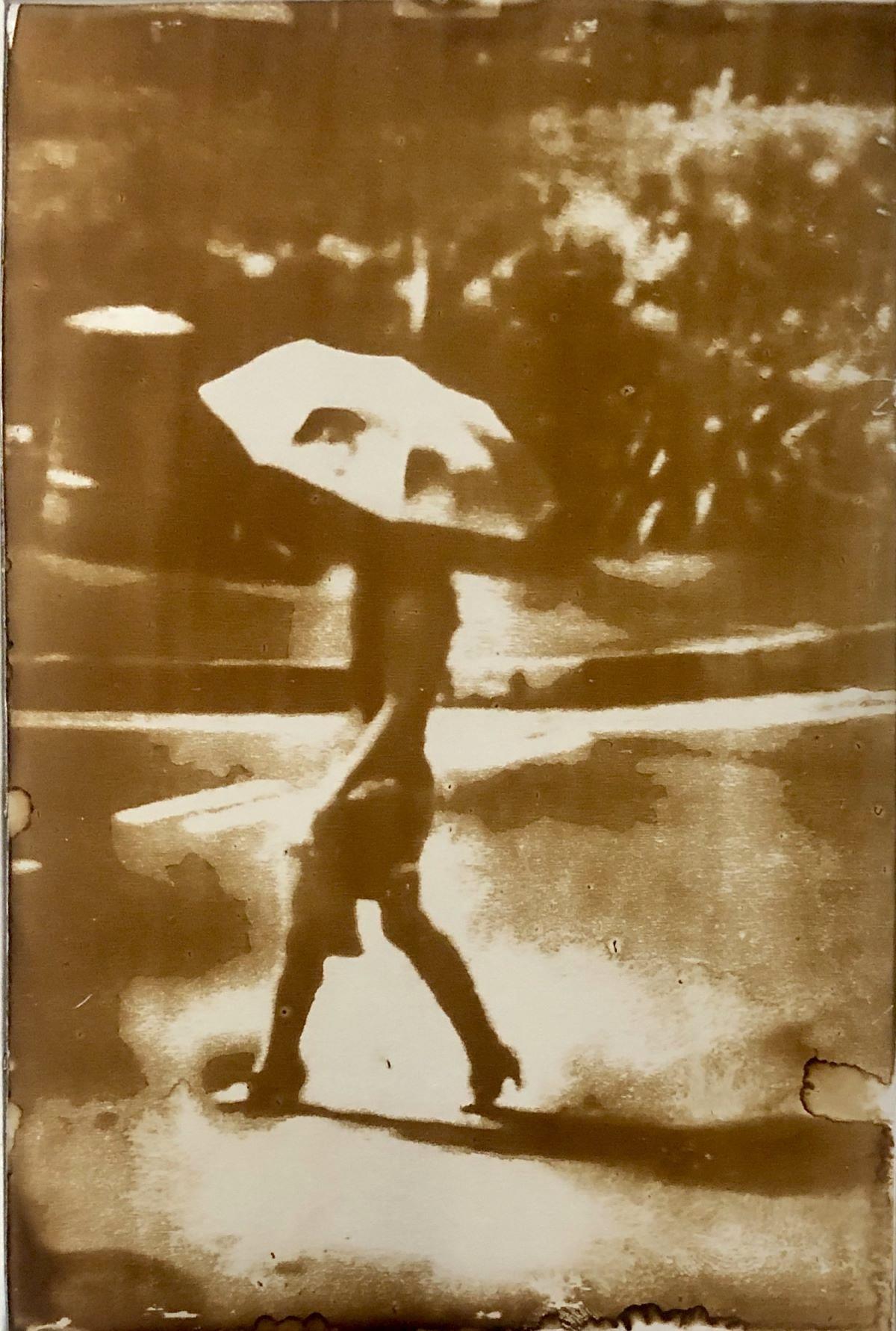
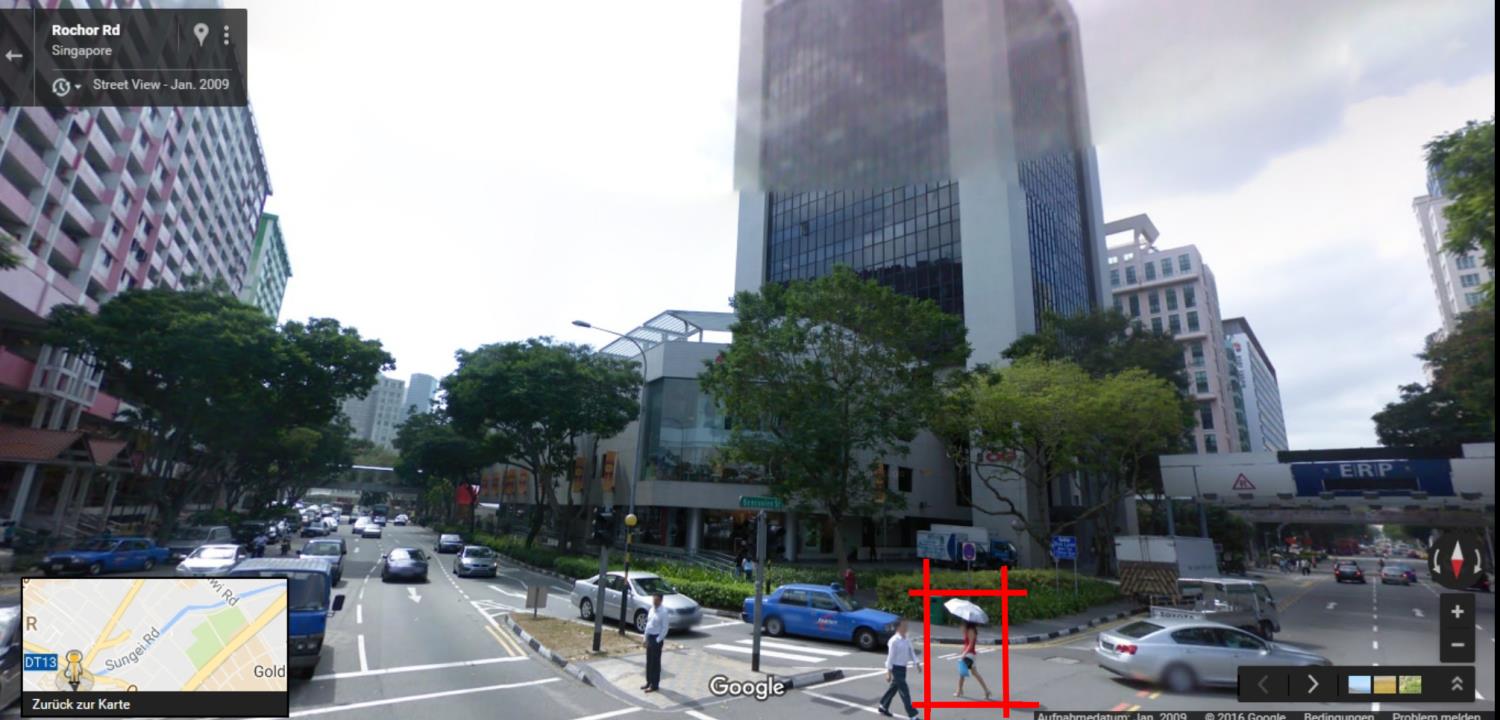
Singapore, January 2009. The image was captured by Google’s cameras. In September 2023 I discovered the scene, made an internegative, and exposed a 10 × 15 cm asphalt-coated aluminium plate. Six hours of sunlight. Contact process. Single exposure. I called the heliography The Woman with an Umbrella.
This Google Street View frame is no longer accessible. No adjacent frame of the sequence is still accessible. This is the last image. Verified June 2026.
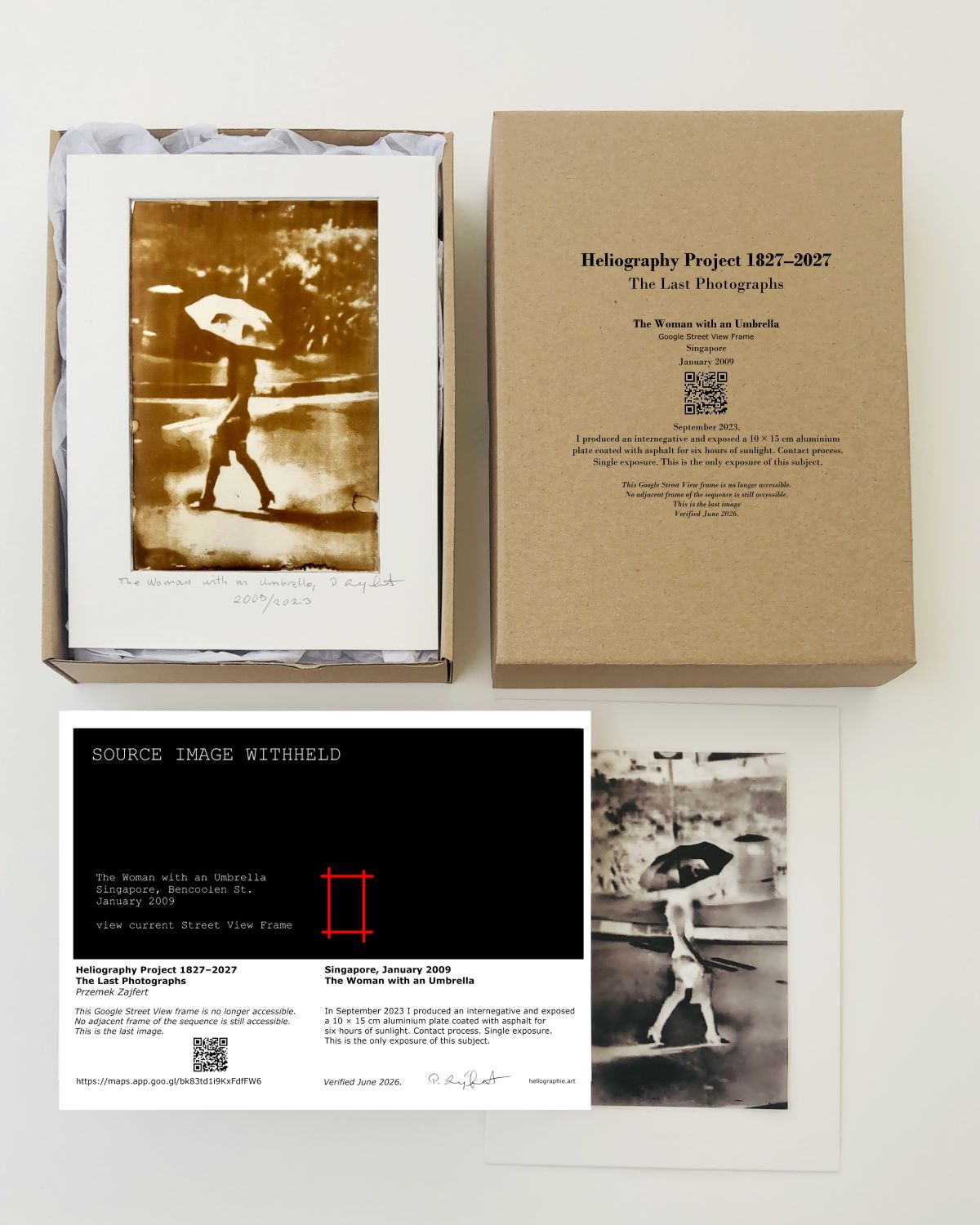
Edition The Woman with an Umbrella: A5 box, heliograph, internegative, screenshot, image card with QR code linking to Google Street View.
. . .
Seagull
Paris, Port de Suffren, November 2022.
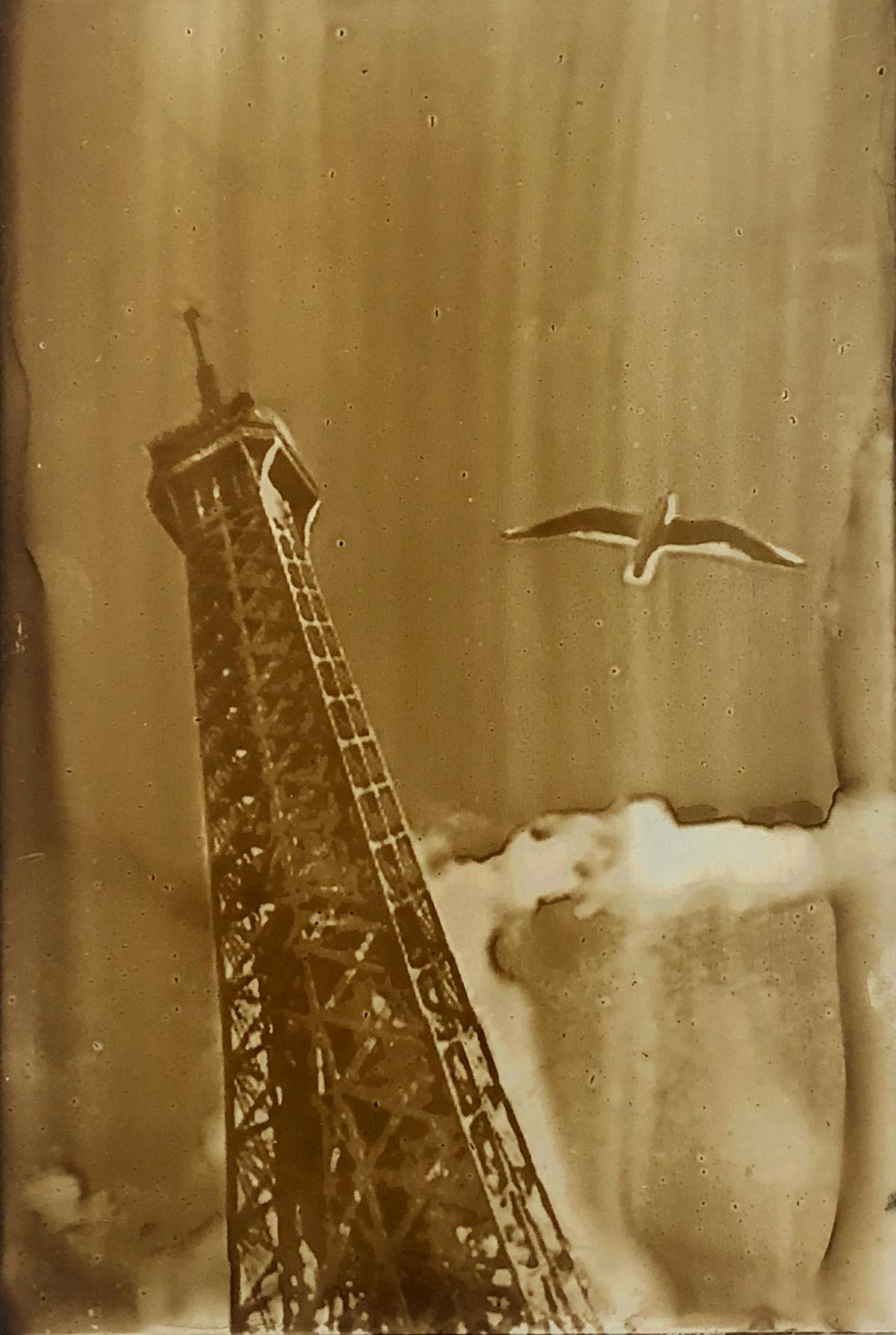
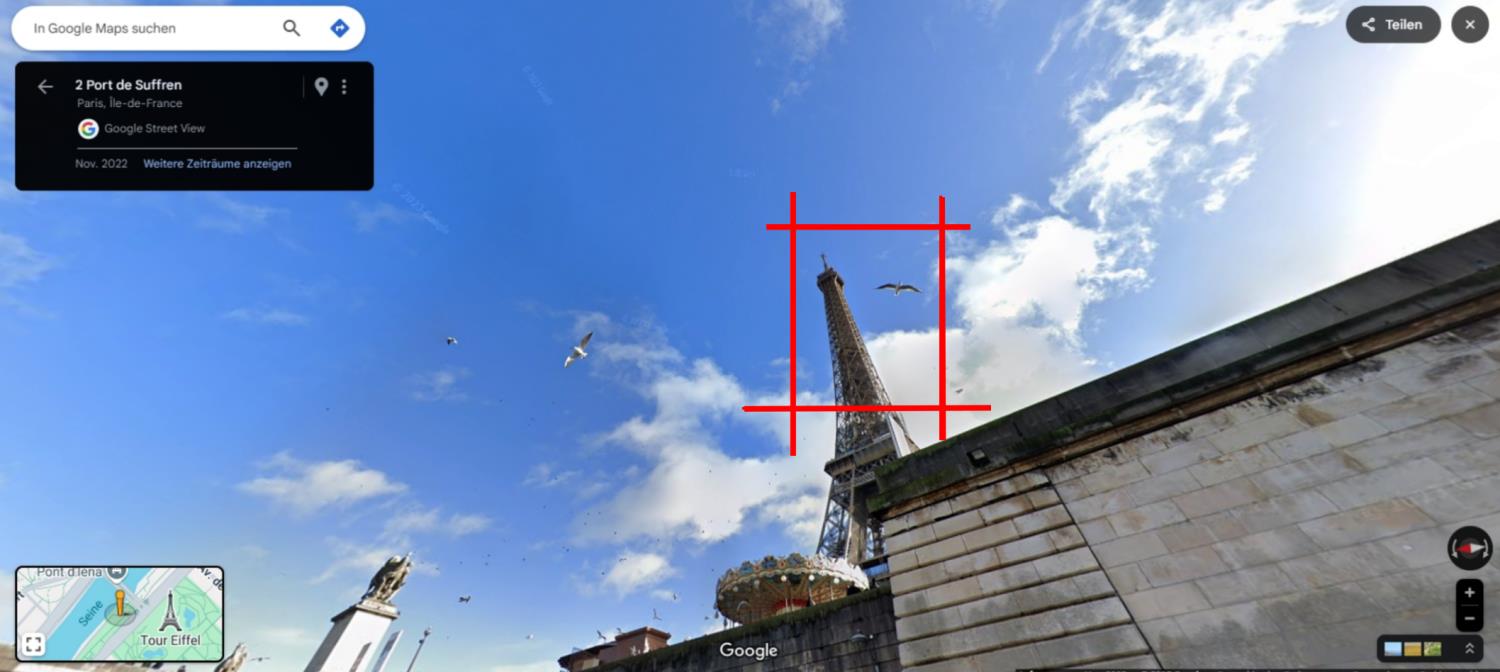
Paris, Port de Suffren, November 2022. The image was captured by Google’s cameras. In June 2026 I discovered the scene, made an internegative, and exposed a 10 × 15 cm asphalt-coated zinc plate. Six hours of sunlight. Contact process. Single exposure. I called the heliography Seagull.
This Google Street View frame is no longer accessible. An adjacent frame of the same sequence is still accessible. Verified June 2026.
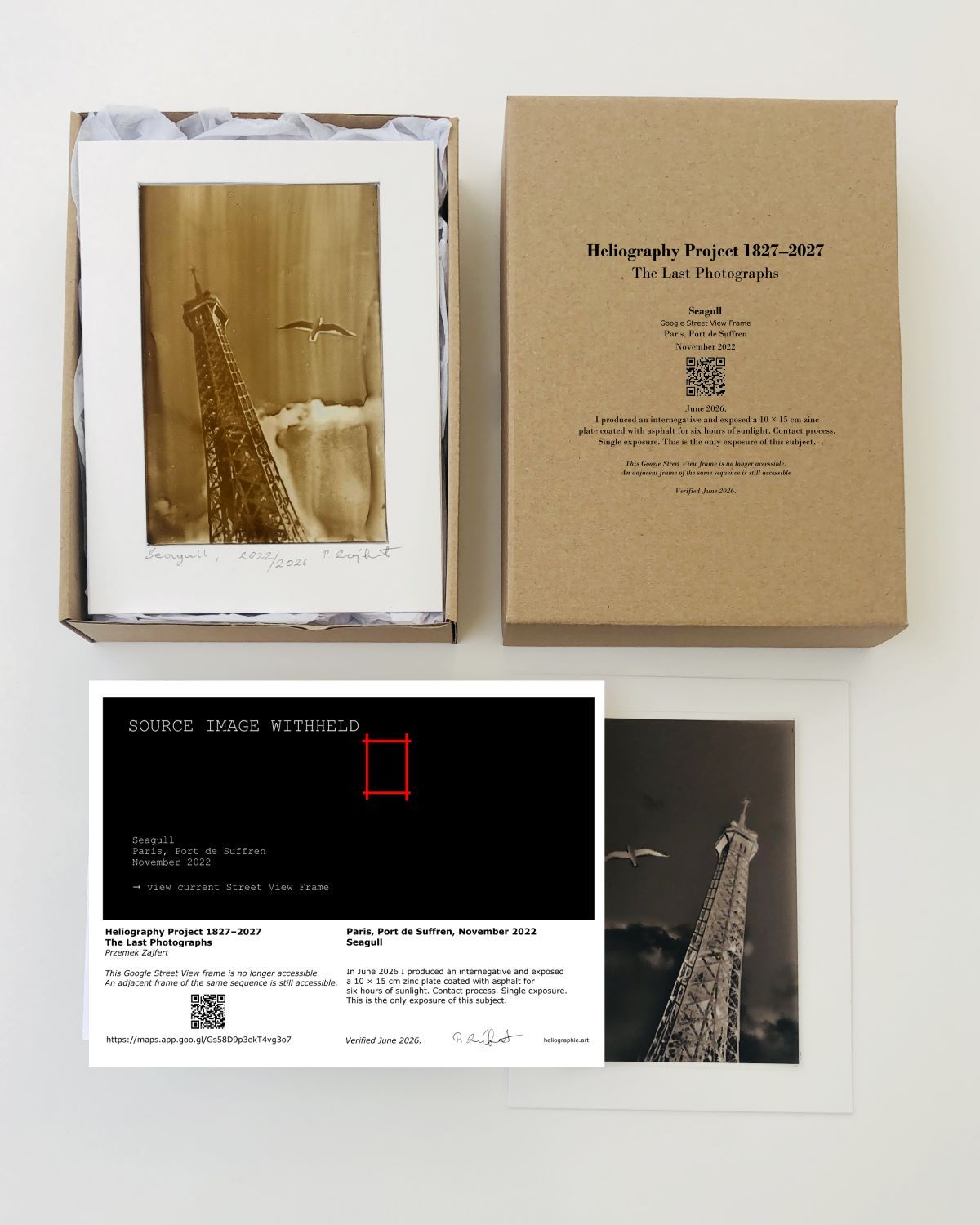
Edition Seagull: A5 box, heliograph, internegative, screenshot, image card with QR code linking to Google Street View.
. . .
Centre Pompidou, Midday
Paris, 15 Rue Beaubourg, August 2013
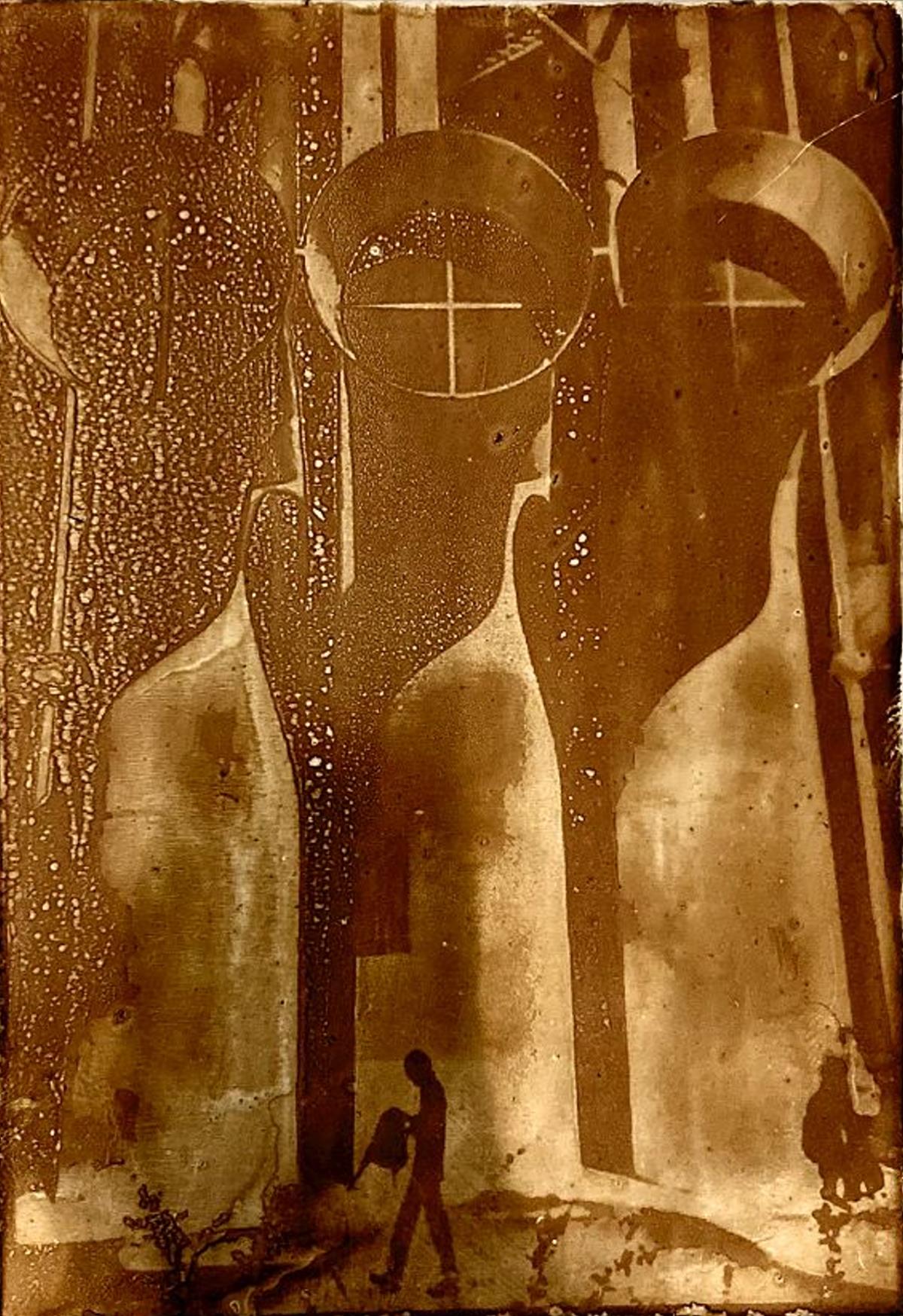
Paris, 15 Rue Beaubourg, August 2013. The image was captured by Google’s cameras. In August 2024 I discovered the scene, made an internegative, and exposed a 10 × 15 cm asphalt-coated aluminium plate. Six hours of sunlight. Contact process. Single exposure. I called the heliography Centre Pompidou, Midday.
The frame is still accessible. Verified June 2026.
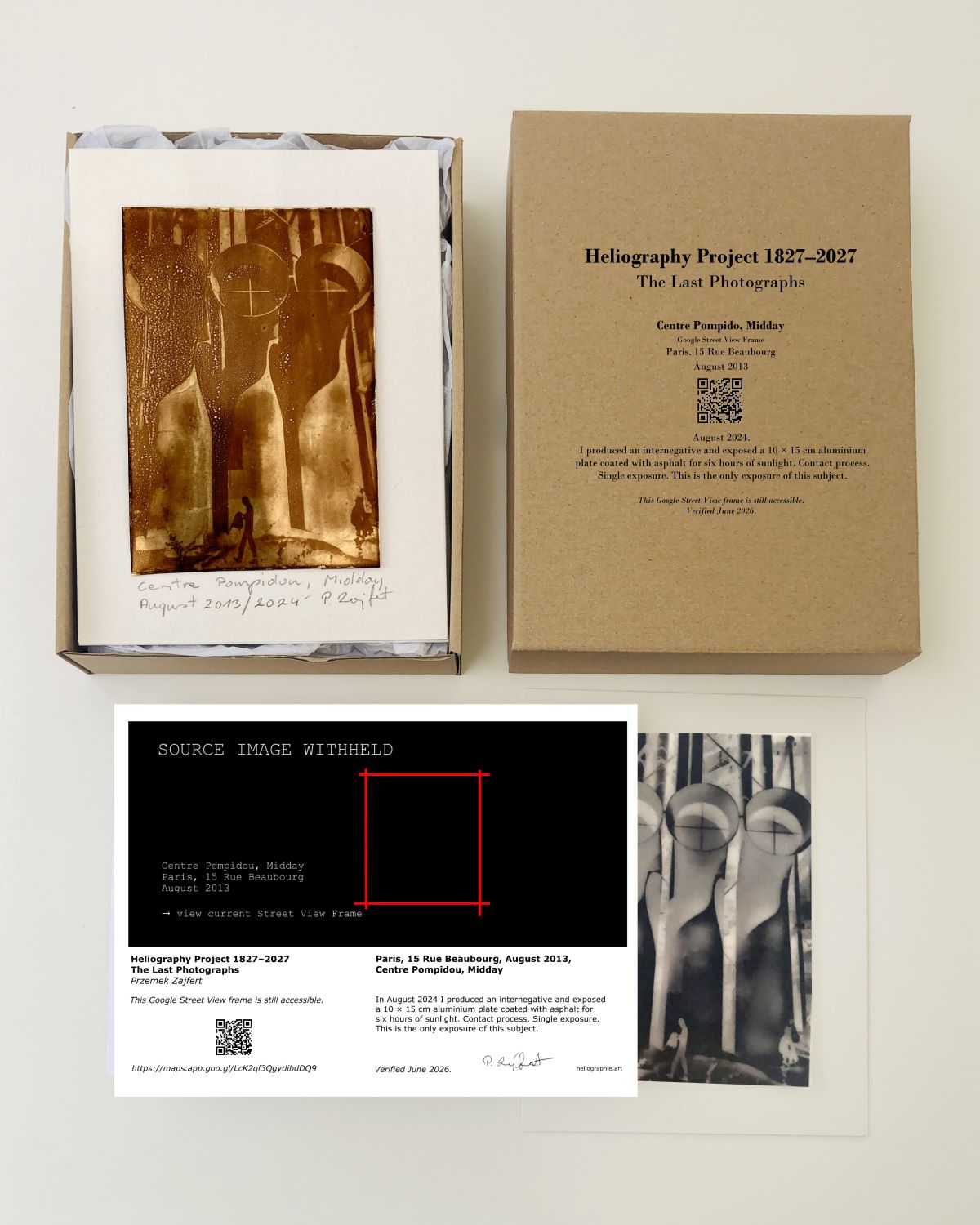
Centre Pompidou, Midday: A5 box, heliograph, internegative, screenshot, image card with QR code linking to Google Street View. In private collection, France.
. . .
Table with a Chair
Paris, 121 Rue Saint-Dominique, May 2018
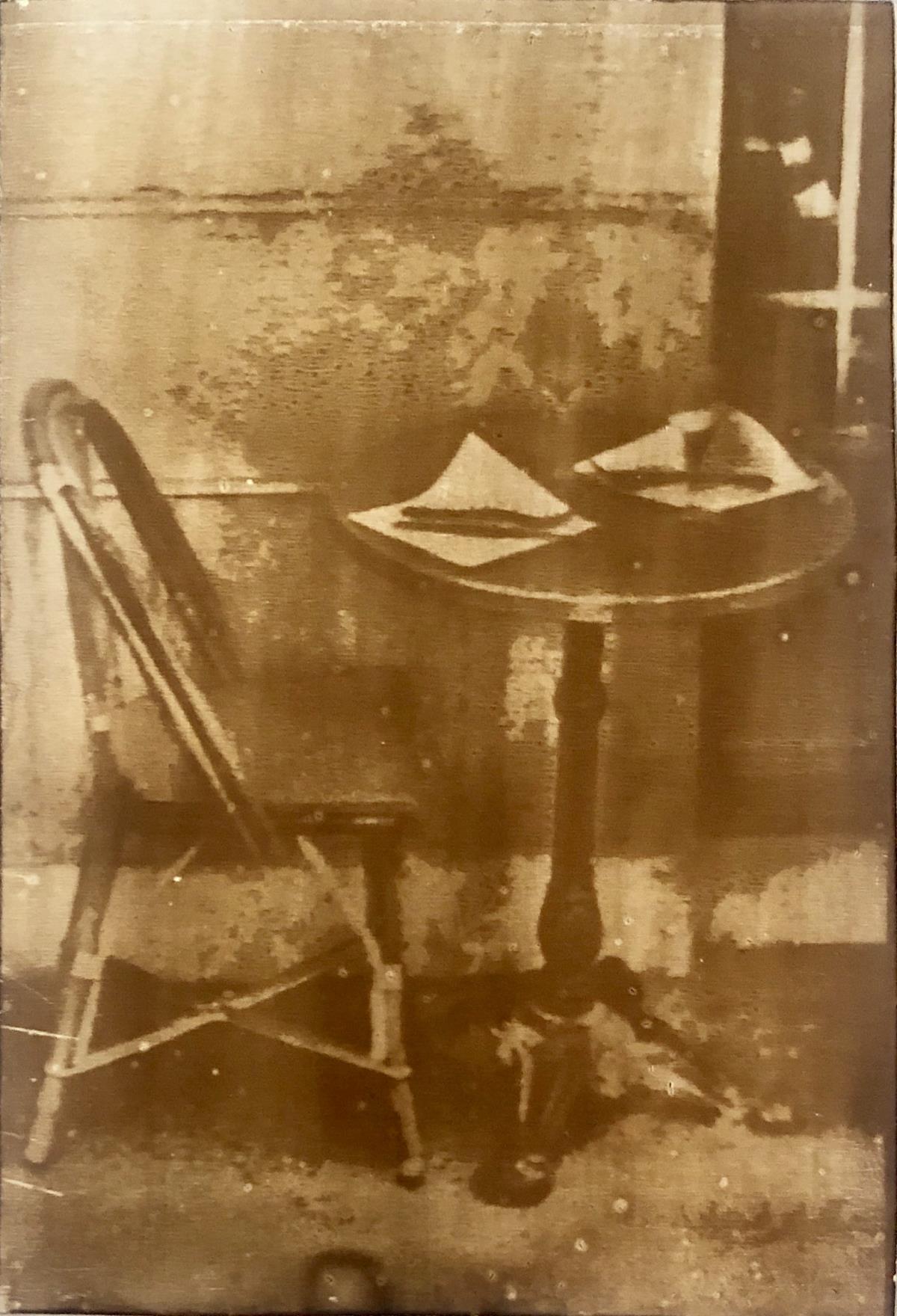
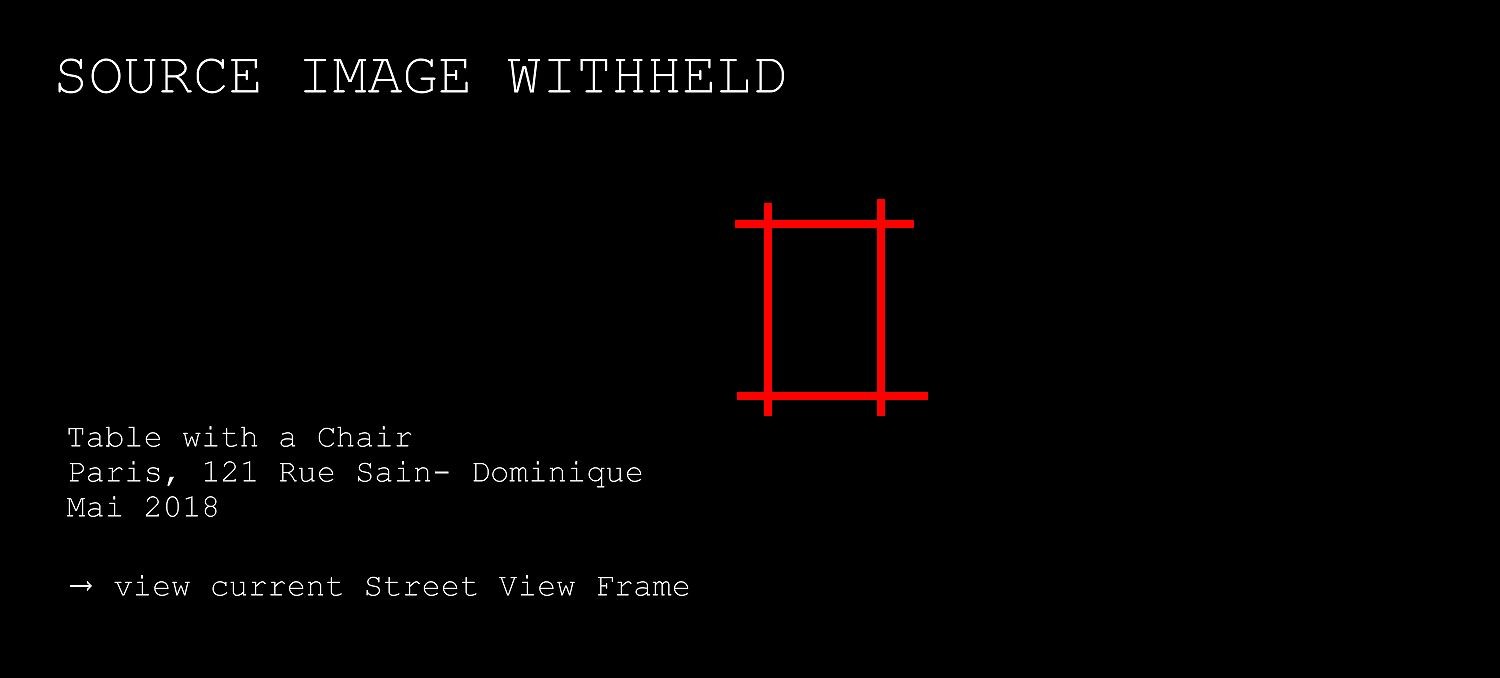
Paris, 121 Rue Saint-Dominique, May 2018. The image was captured by Google’s cameras. In September 2024 I discovered the scene, made an internegative, and exposed a 10 × 15 cm asphalt-coated aluminium plate. Six hours of sunlight. Contact process. Single exposure. I called the heliography Table with a Chair.
Frame still accessible. Verified June 2026.
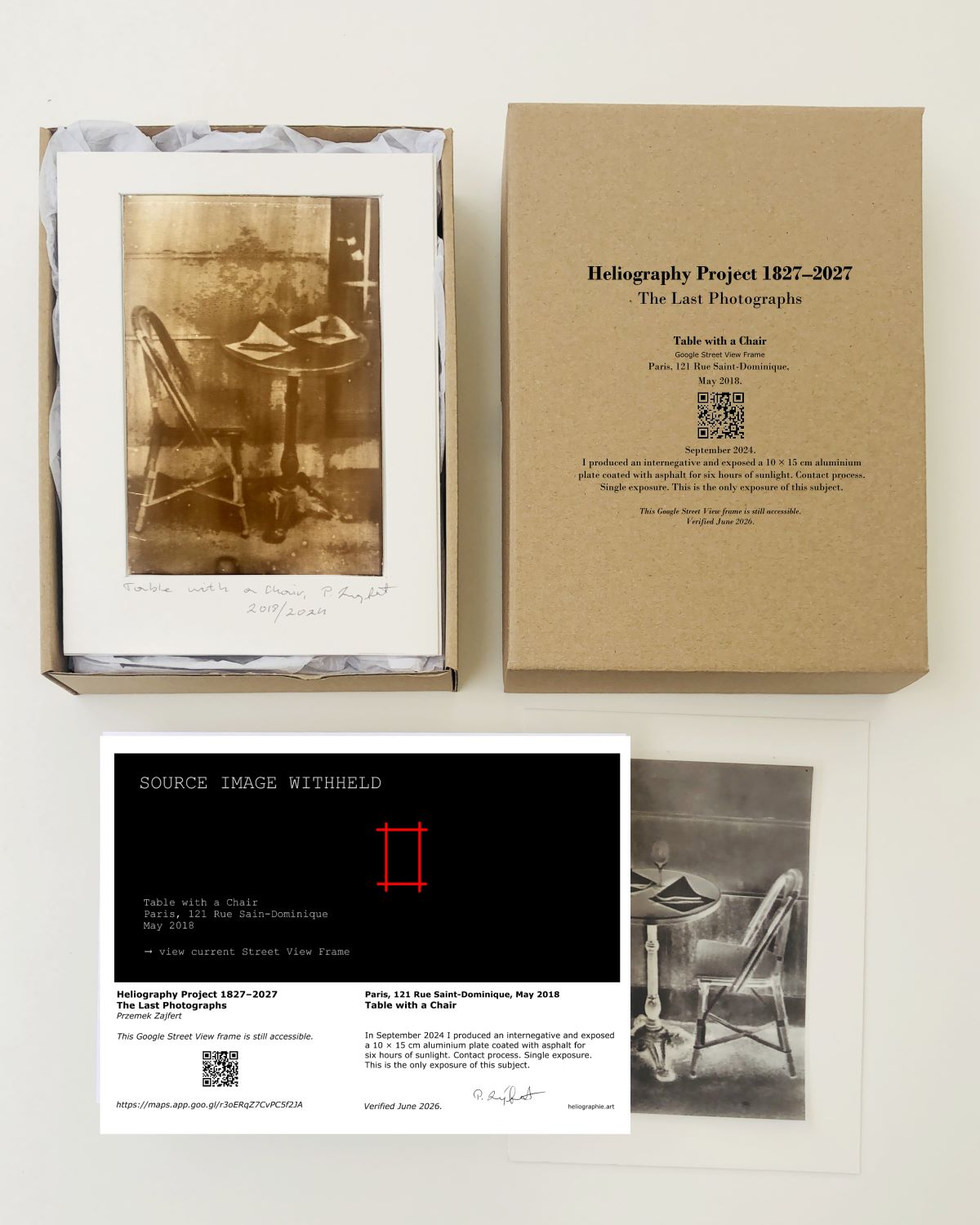
Edition Table with a Chair: A5 box, heliograph, internegative, screenshot, image card with QR code linking to Google Street View.
. . .
The Man with a Plane Tree Leaf
Paris, 1 Quai de la Corse, August 2012.
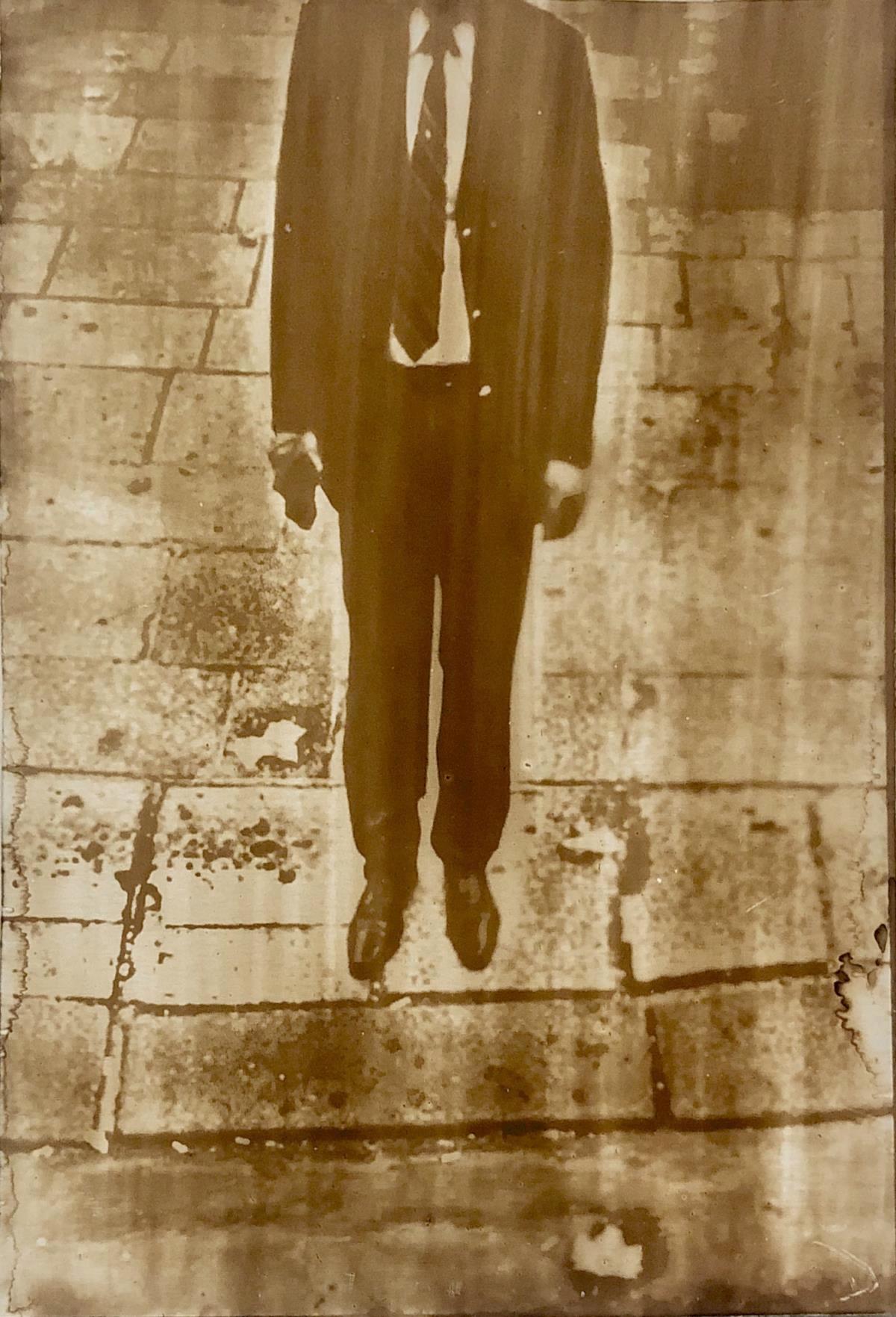
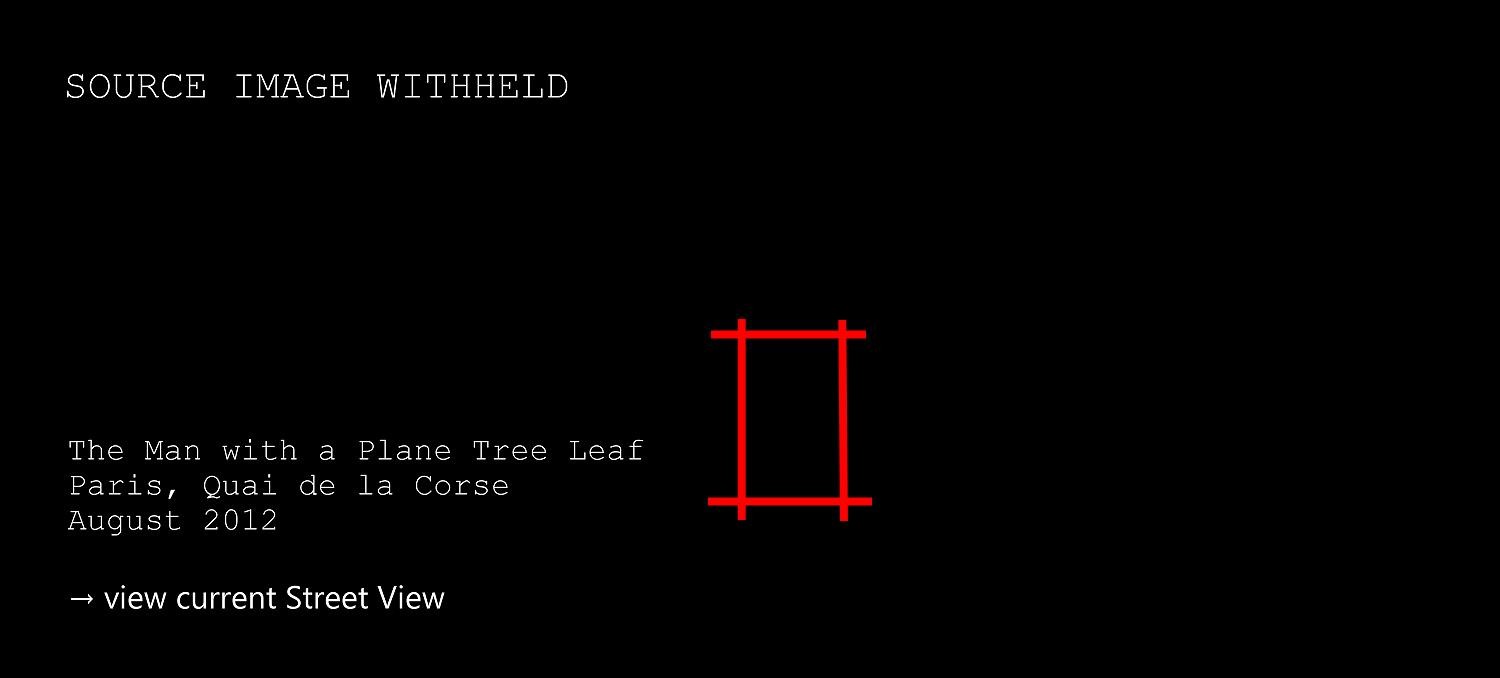
Paris, 1 Quai de la Corse, August 2012. The image was captured by Google’s cameras. In September 2025 I discovered the scene, made an internegative, and exposed a 10 × 15 cm asphalt-coated aluminium plate. Six hours of sunlight. Contact process. Single exposure. I called the heliography The Man with a Plane Tree Leaf.
Frame still accessible. Verified June 2026.
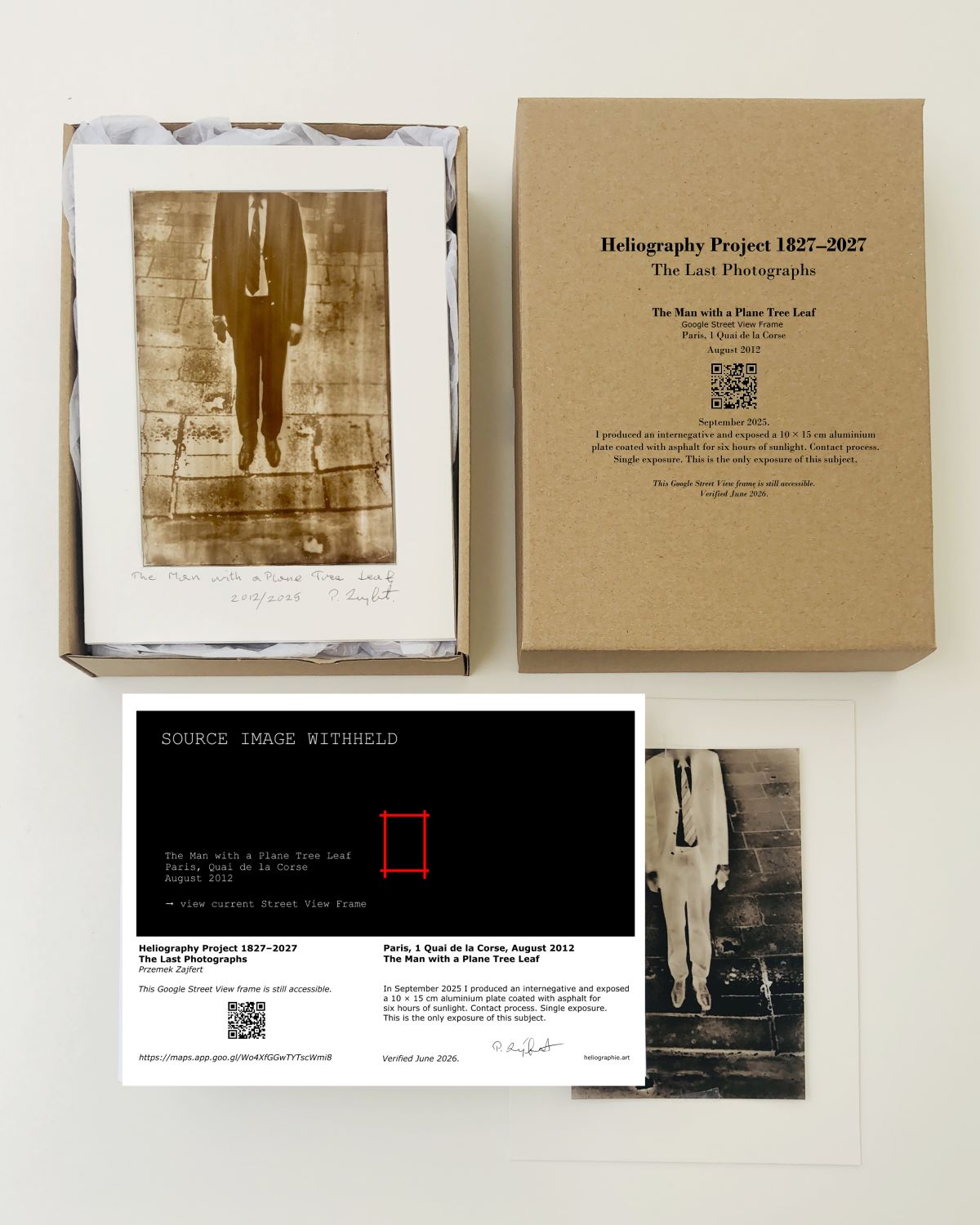
Edition The Man with a Plane Tree Leaf: A5 box, heliograph, internegative, screenshot, image card with QR code linking to Google Street View.
. . .
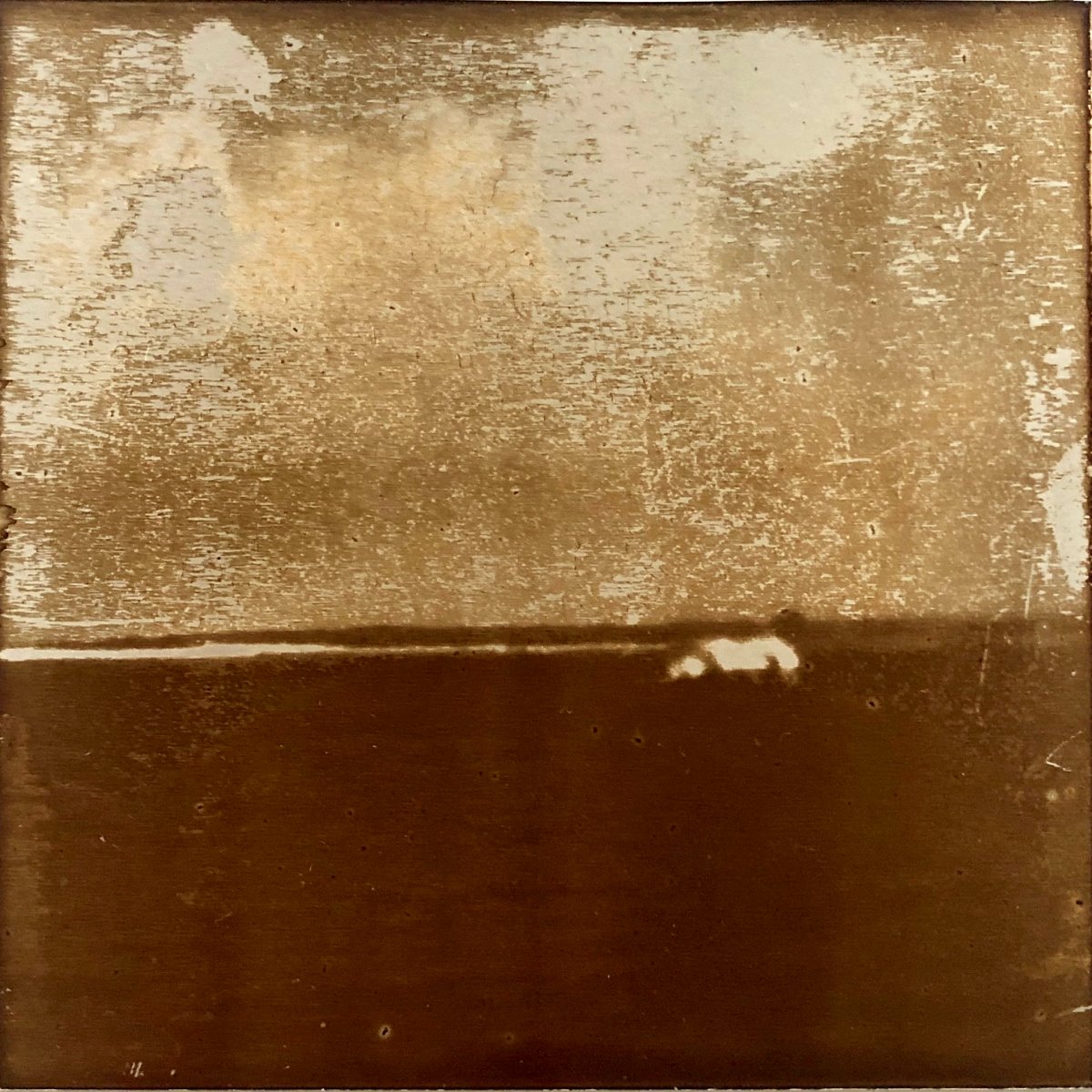
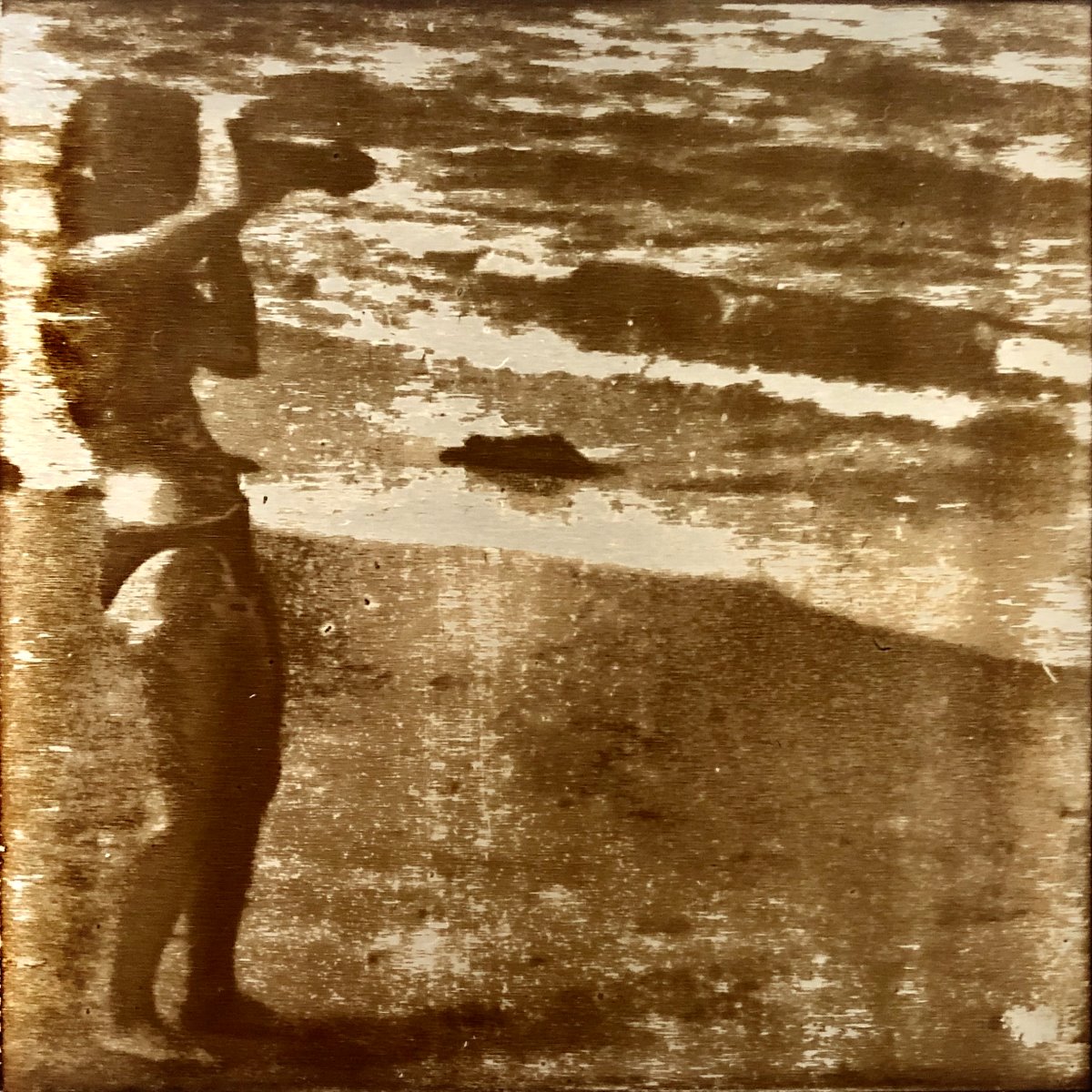
Photographer and Her Subject
Dune du Pilat, August 2015
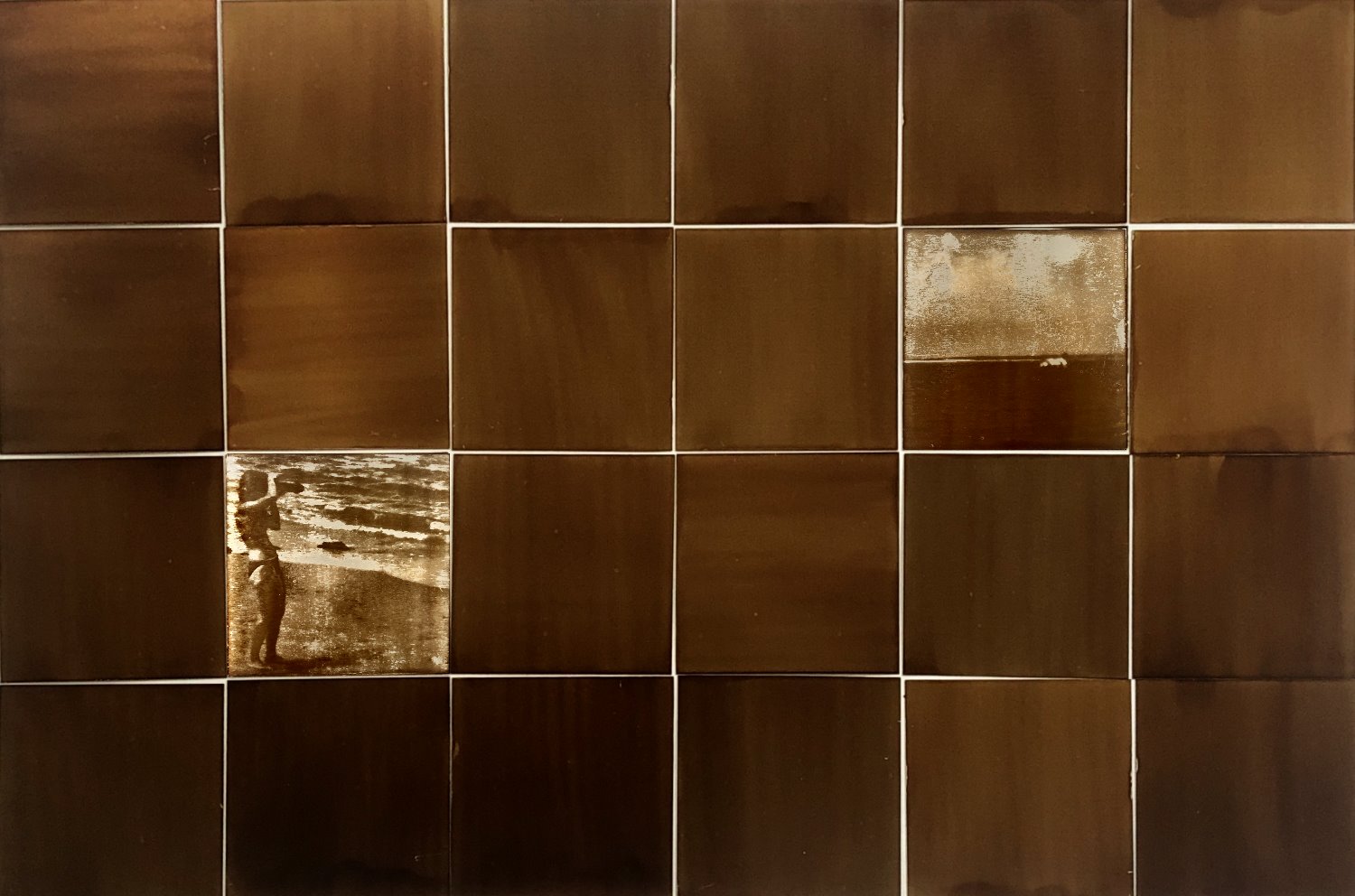
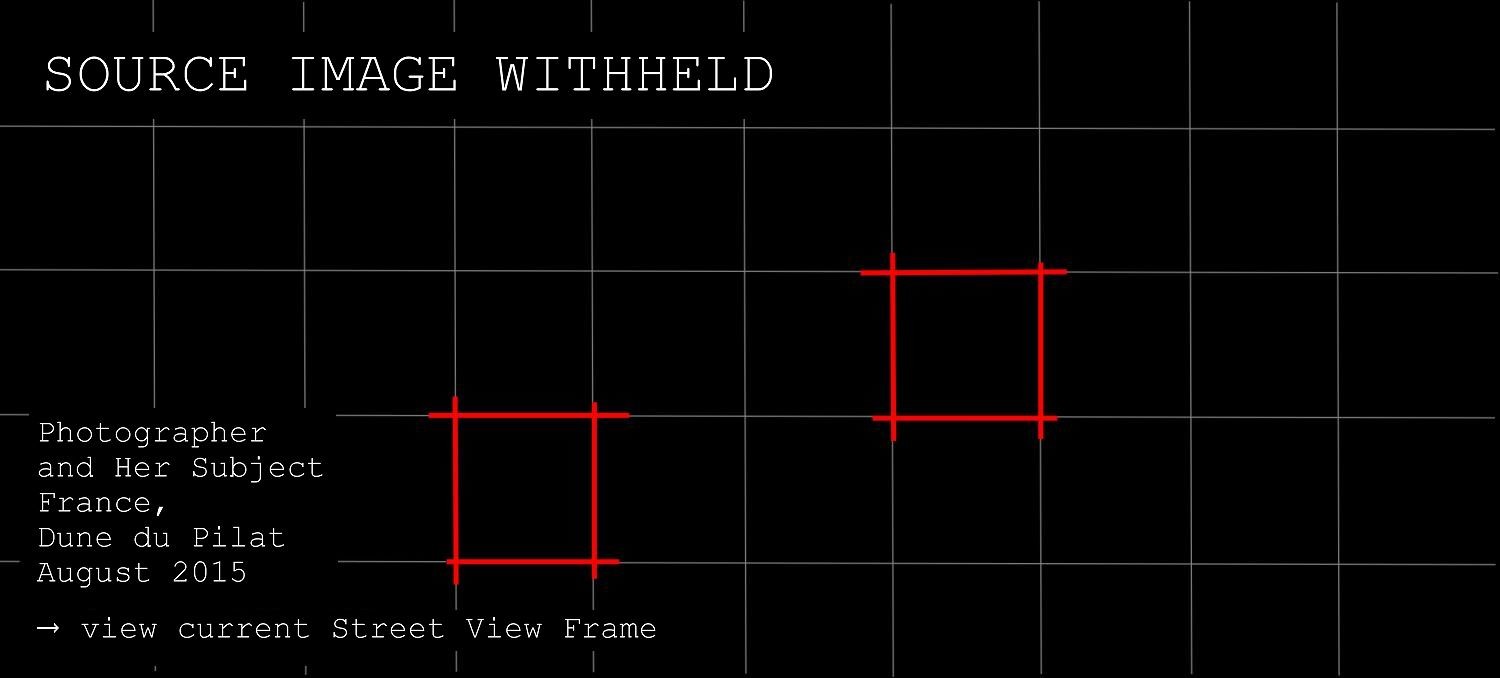
Dune du Pilat, August 2015. The image was captured by Google’s cameras.
In July 2026 I discovered the scene, produced two internegatives, and coated 24 aluminium plates, each 12 × 12 cm, with asphalt. On one sunny day I exposed only two plates at a time, simultaneously, for six hours each, using the contact process. Single exposure.
The remaining 22 plates stayed unexposed.
This is the only exposure of this motif. I titled the work Photographer and Her Subject.
The frame is still accessible. Verified June 2026.
. . .