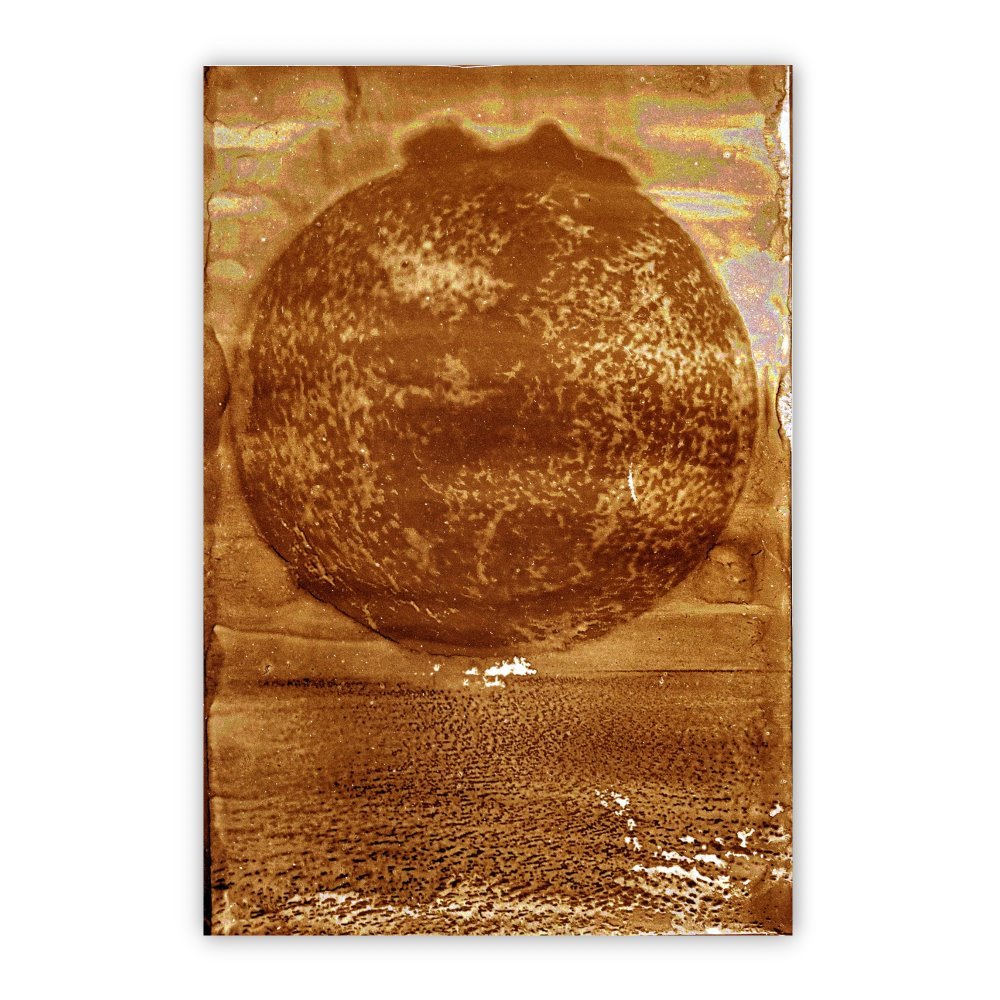
In some remote corner of the universe, poured out and glittering in innumerable solar systems, there once was a star on which clever animals invented knowledge. That was the highest and most mendacious minute of “world history” — yet only a minute. After nature had drawn a few breaths the star grew cold, and the clever animals had to die.
Friedrich Nietzsche, On Truth and Lie in an Extra-Moral Sense
Forever and Ever
Heliography for my sons
200 Years of Photography: The oldest photograph has “lived” among us for two centuries. Here is the recipe for “eternity”:
Dissolve 3 grams of Syrian asphalt in 15 ml of lavender oil. Wait a few days. Apply the emulsion with a brush onto white tin. Let the emulsion dry on a hot cast iron plate for about 20 minutes. Expose the plate to sunlight for two to three days. Rinse off the unhardened asphalt emulsion with turpentine or lavender oil.
Joseph Nicéphore Niépce called this process heliography. He described it in 1829 in his Notice sur l’Héliographie. This was the first photographic process in which an image captured by a camera obscura was permanently fixed on a metal plate. Niépce is long gone. The image remains.
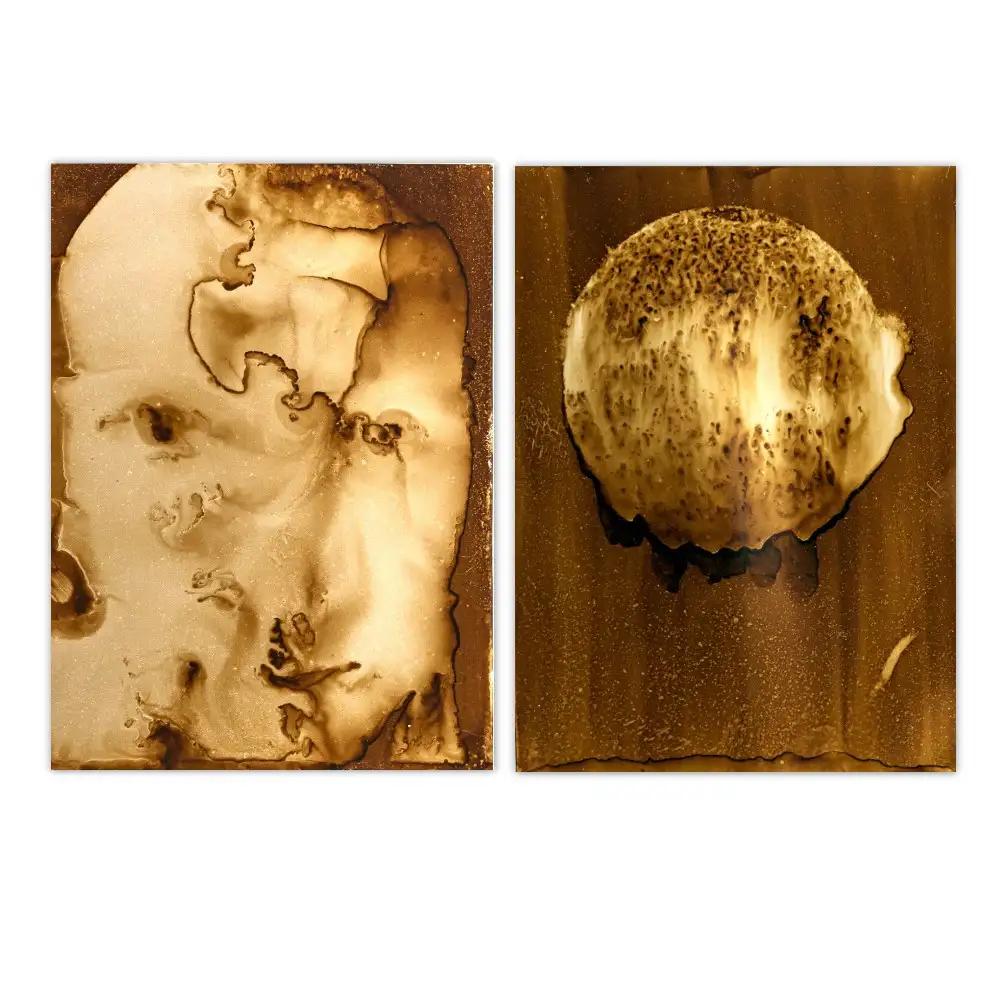
The heliographs shown here were created between February and December 2017, during my cancer treatment. I made them for my sons, in the months when words failed me. Light and shadow became my language. The notebook stayed empty.
It was not until 2019 that I sorted, titled and framed the works. The occasion was the exhibition at the Interphoto Festival in Białystok, Poland — co-funded by the Polish Ministry of Culture. All works carry the date 2019: the moment they stepped out of the private and became art.
Monday, February 6, 2017.
My wife and I are waiting for the results of my CT scan. The waiting room is narrow. On the left, a large window. Opposite, two doors: Booth 1, Booth 2. Silence. The people sitting here do not speak …
The complete journal is available on Medium:
When Light Meets Asphalt →
. . .
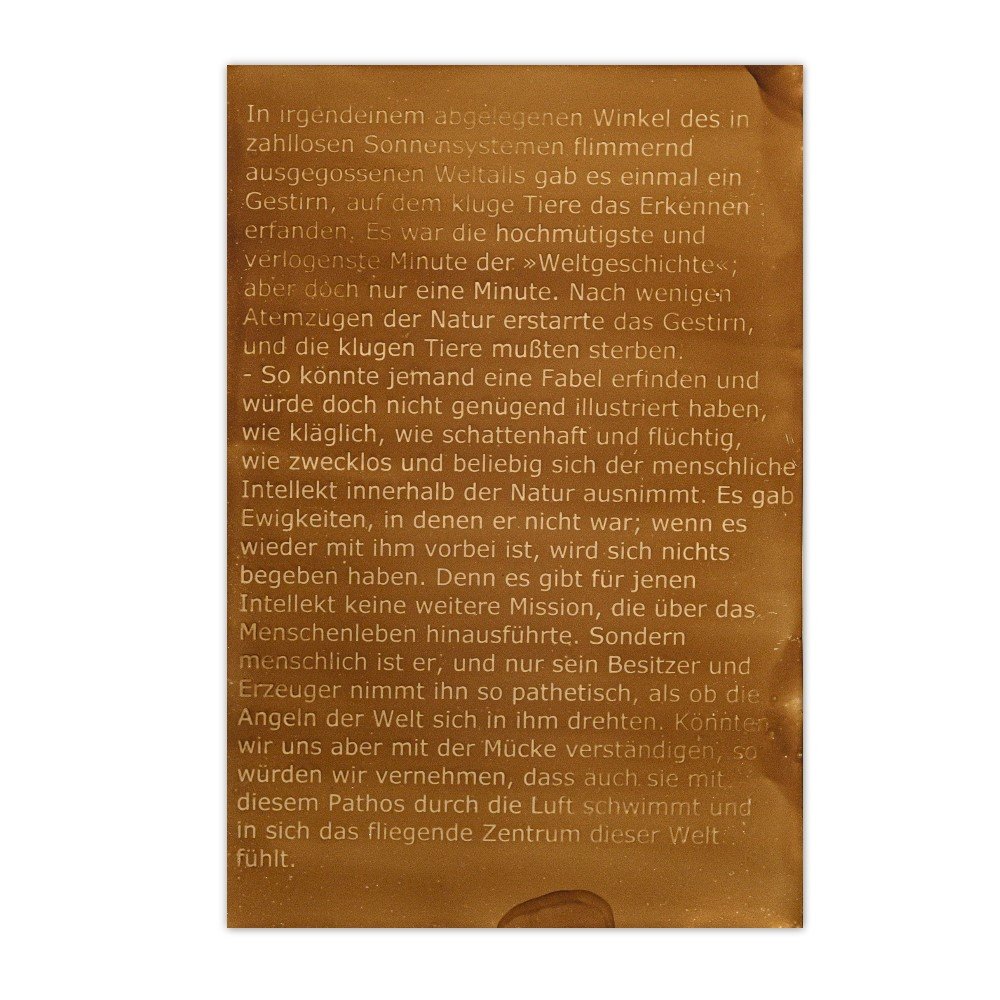
Über Wahrheit und Lüge im außermoralischen Sinn, 2017/2019,
Dimensions: approx. 17 × 25 cm, passe-partout 50 × 70 cm
Material: tinplate, Bitumen of Judea, lavender oil
Method: heliography, produced according to the process of Joseph Nicéphore Niépce (1822/1827)
Unique work
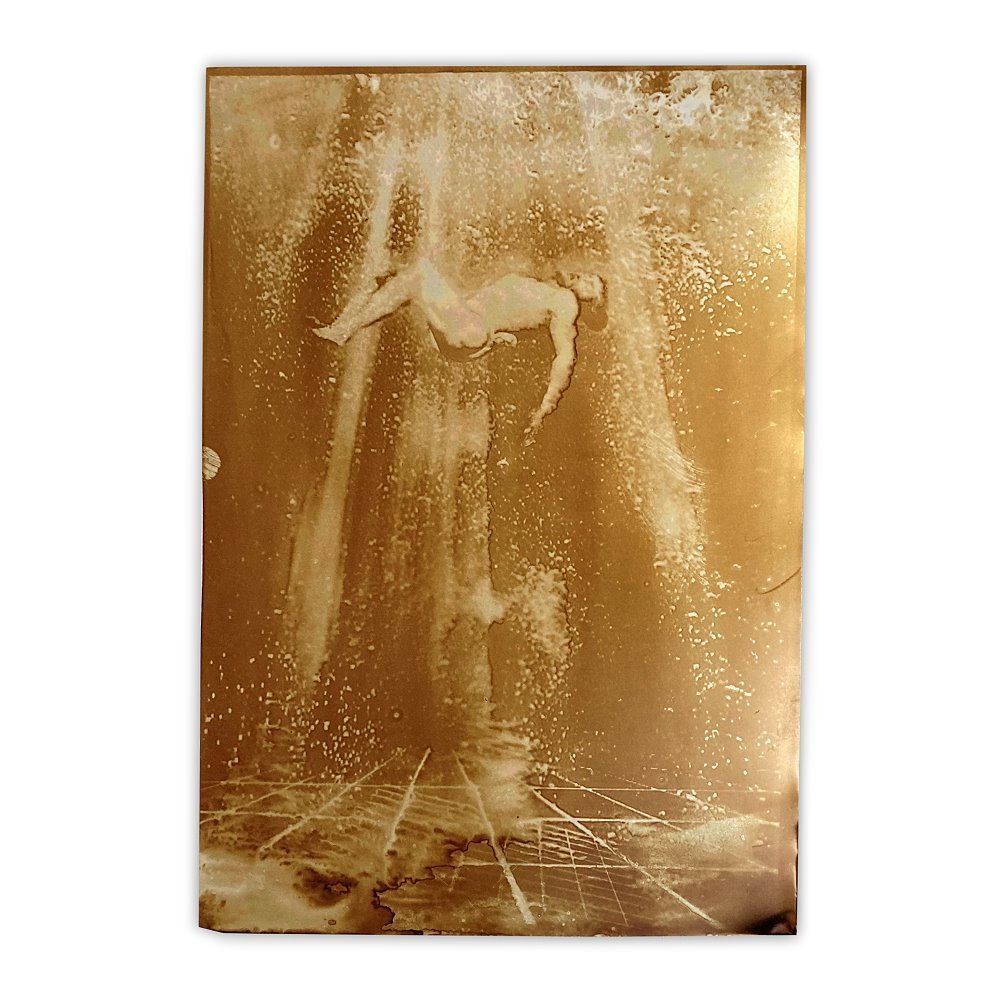
Lazarus, 2017/2019
Dimensions: approx. 17 × 25 cm, passe-partout 50 × 70 cm
Material: tinplate, Bitumen of Judea, lavender oil
Method: heliography, produced according to the process of Joseph Nicéphore Niépce (1822/1827)
Unique work
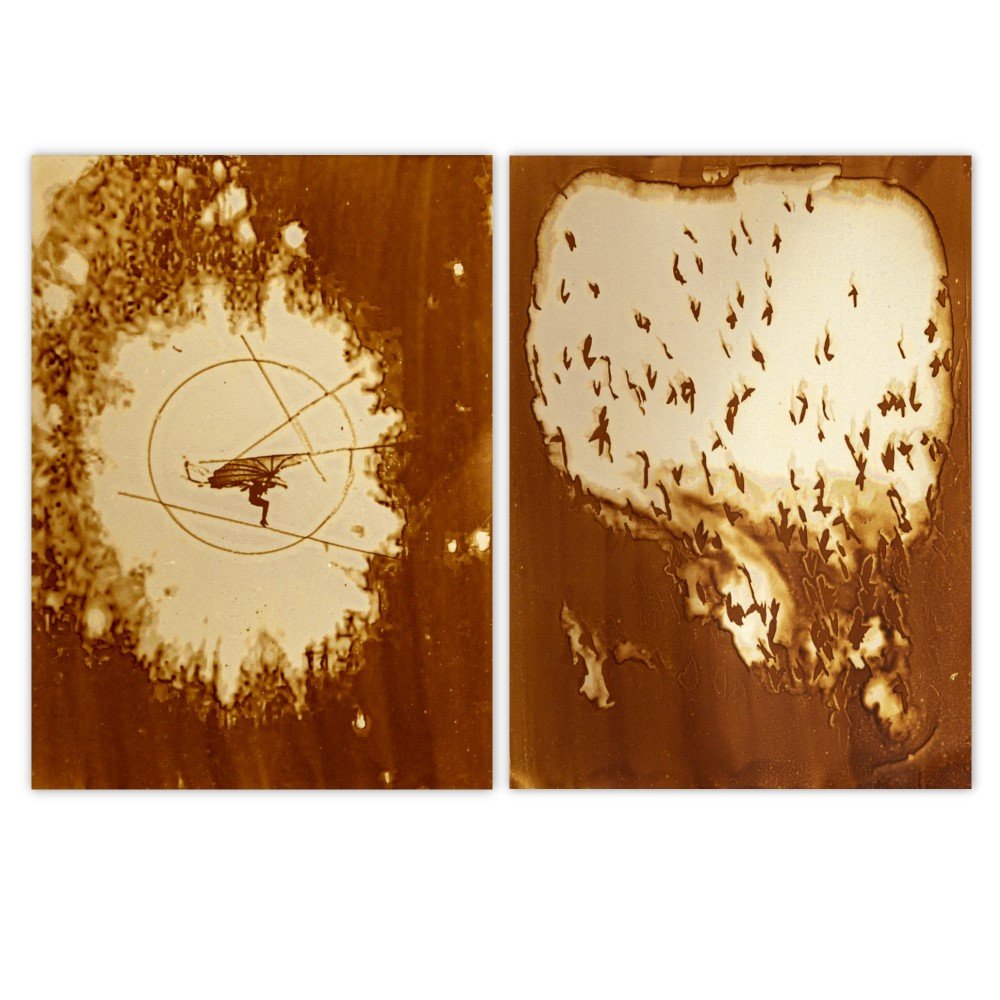
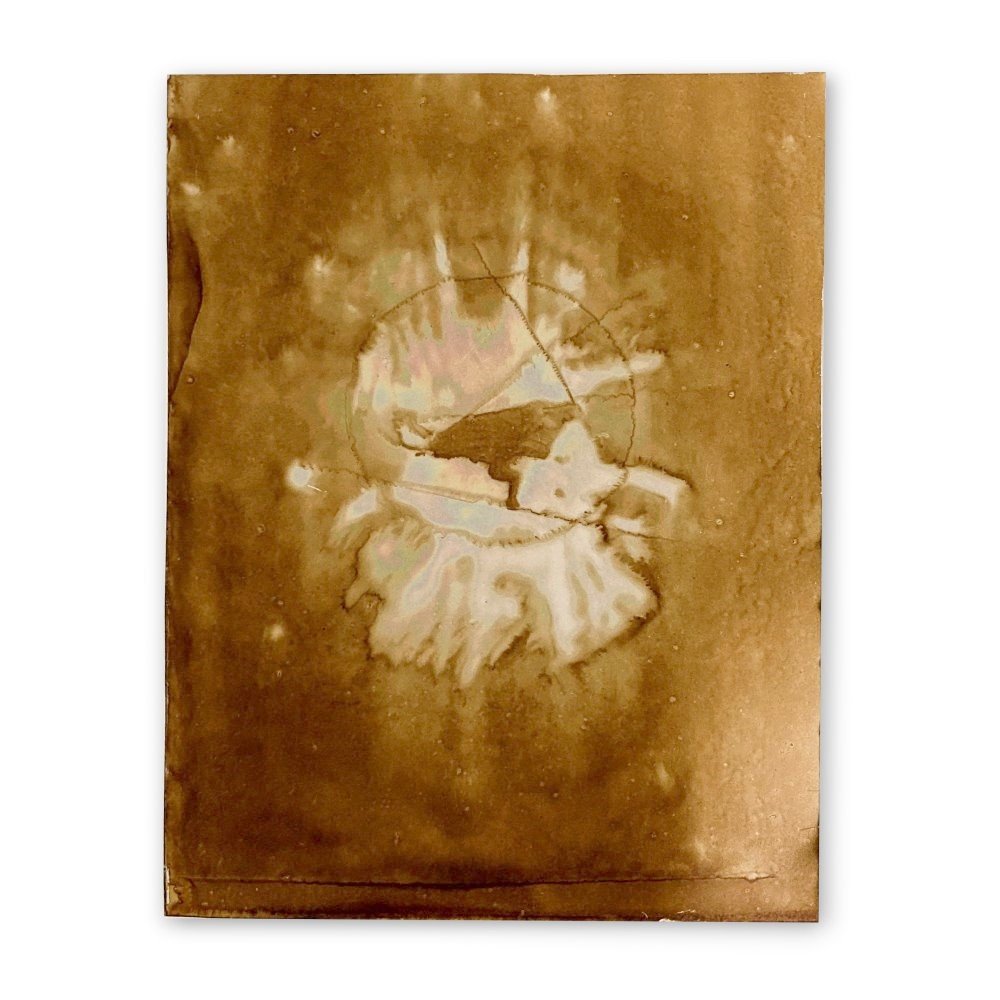
I – Bird, 2017/2019,
Dimensions: approx. 2x 17 × 24 cm, passe-partout 50 × 70 cm
Material: tinplate, Bitumen of Judea, lavender oil
Method: heliography, produced according to the process of Joseph Nicéphore Niépce (1822/1827)
Unique work
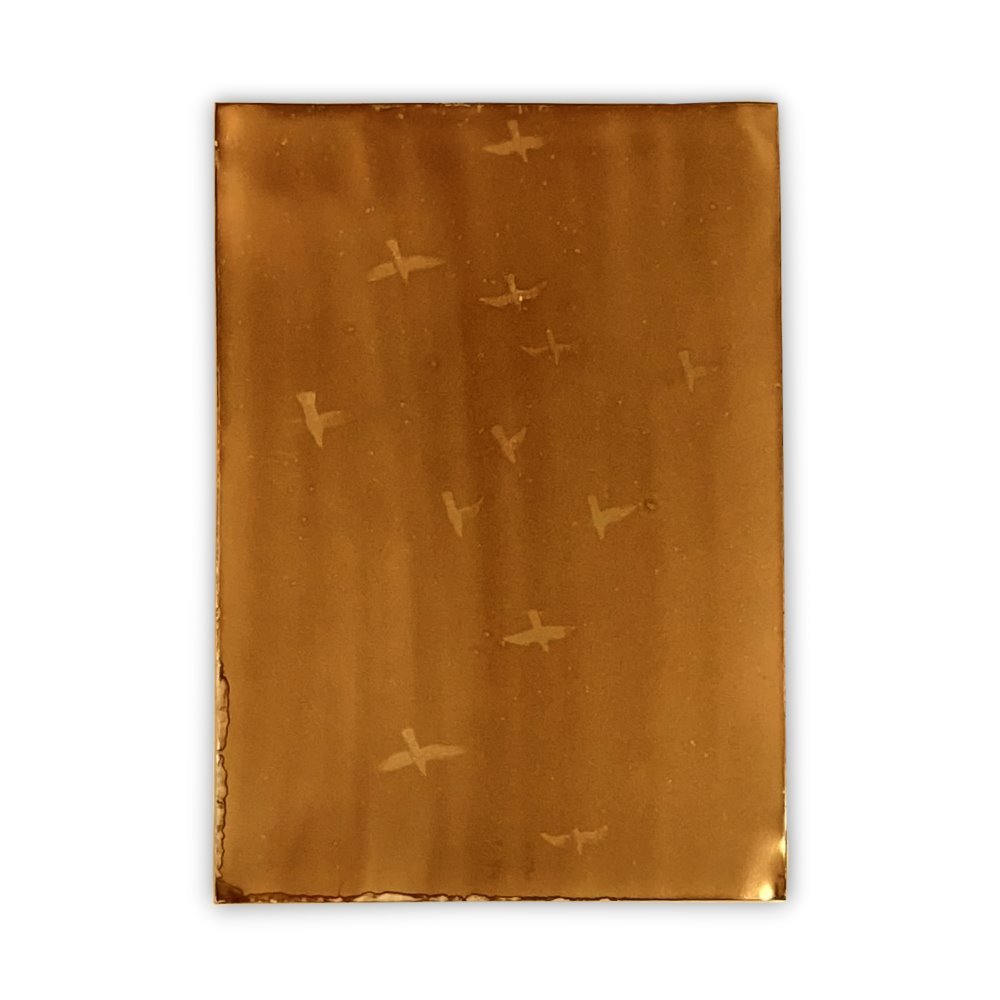
The view from my window 2017/2019
Dimensions: approx. 19 × 29 cm, passe-partout 50 × 70 cm
Material: tinplate, Bitumen of Judea, lavender oil
Method: heliography, produced according to the process of Joseph Nicéphore Niépce (1822/1827)
Unique work
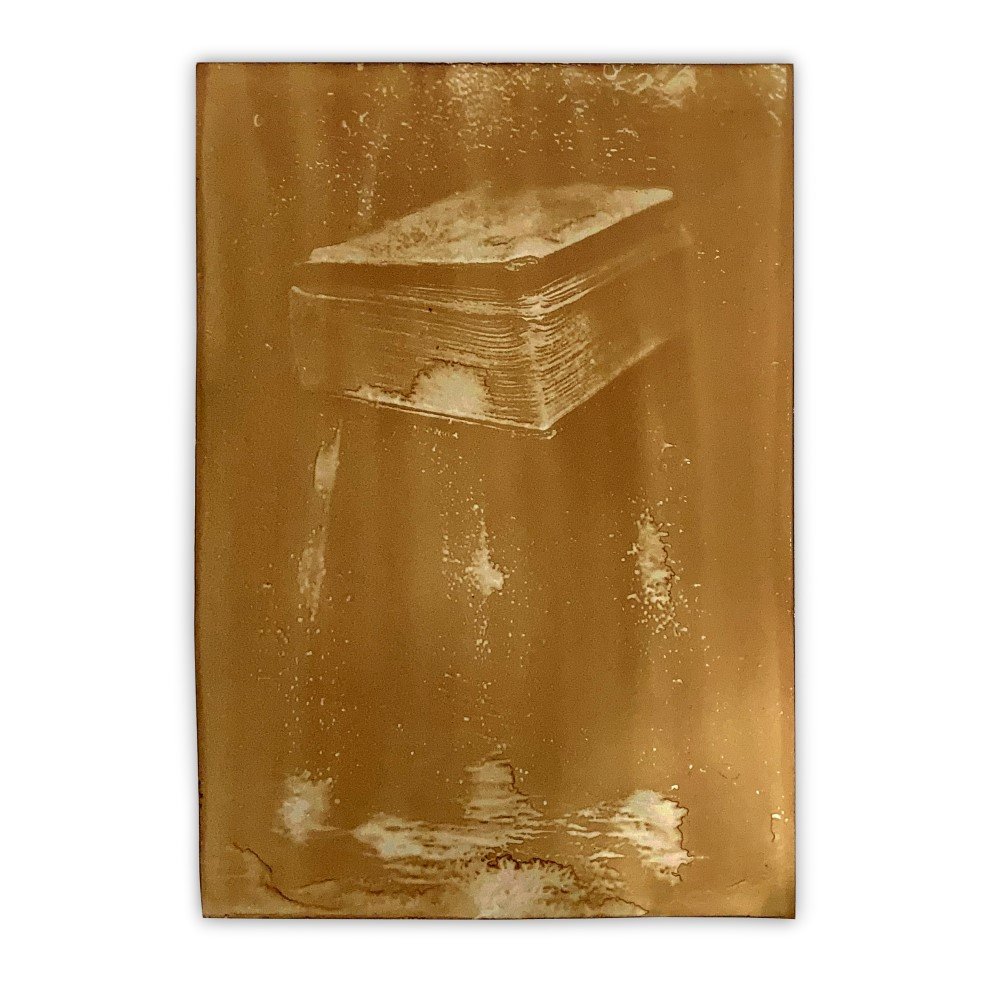
Infinity many Words, 2017/2019,
Dimensions: approx. 17 × 24 cm, passe-partout 50 × 70 cm
Material: tinplate, Bitumen of Judea, lavender oil
Method: heliography, produced according to the process of Joseph Nicéphore Niépce (1822/1827)
Unique work

Sleigh Party 1959, Megacity 2029, No 6, No 7, 2017/2019
Dimensions: approx. 2x 20 × 32,5 cm, passe-partout 60 × 80 cm
Material: tinplate, Bitumen of Judea, lavender oil
Method: heliography, produced according to the process of Joseph Nicéphore Niépce (1822/1827)
Unique work
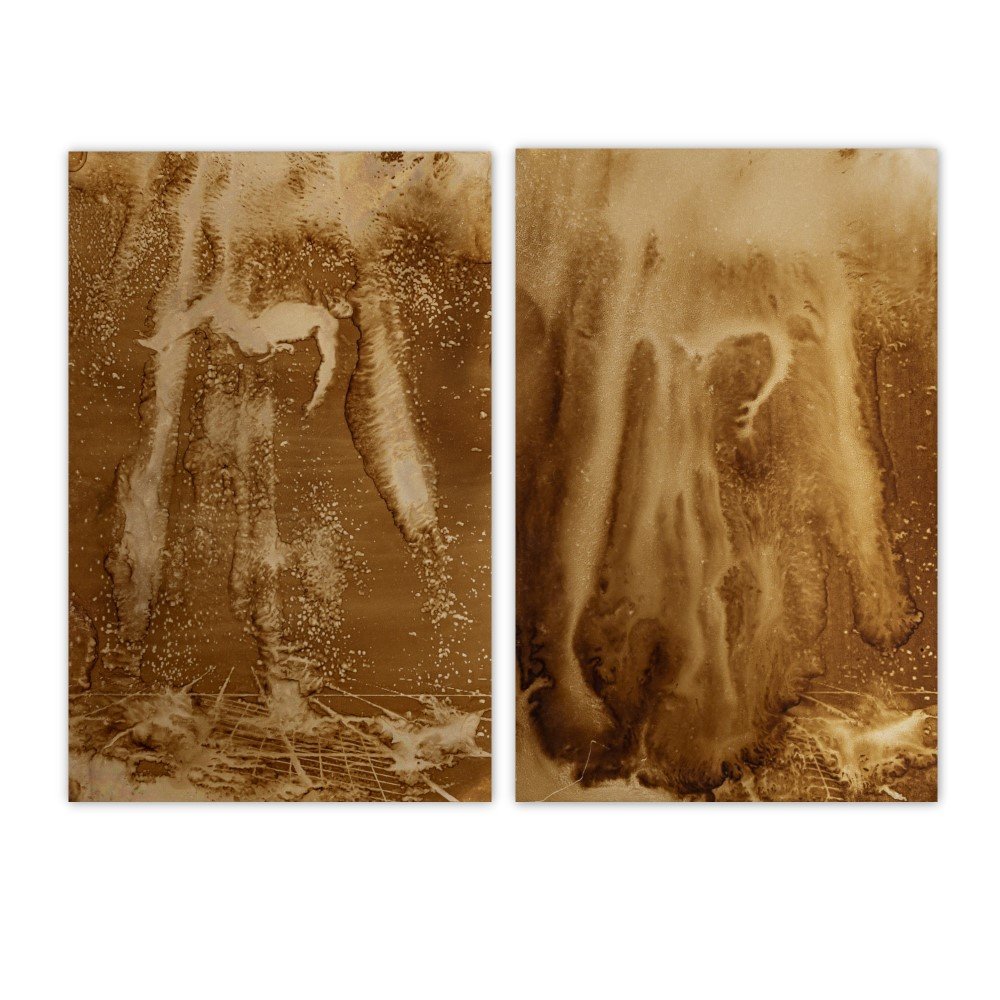
Lazarus and Lazarus, 2017/2019,
Dimensions: approx. 2x 17 × 25 cm, passe-partout 50 × 70 cm
Material: tinplate, Bitumen of Judea, lavender oil
Method: heliography, produced according to the process of Joseph Nicéphore Niépce (1822/1827)
Unique work
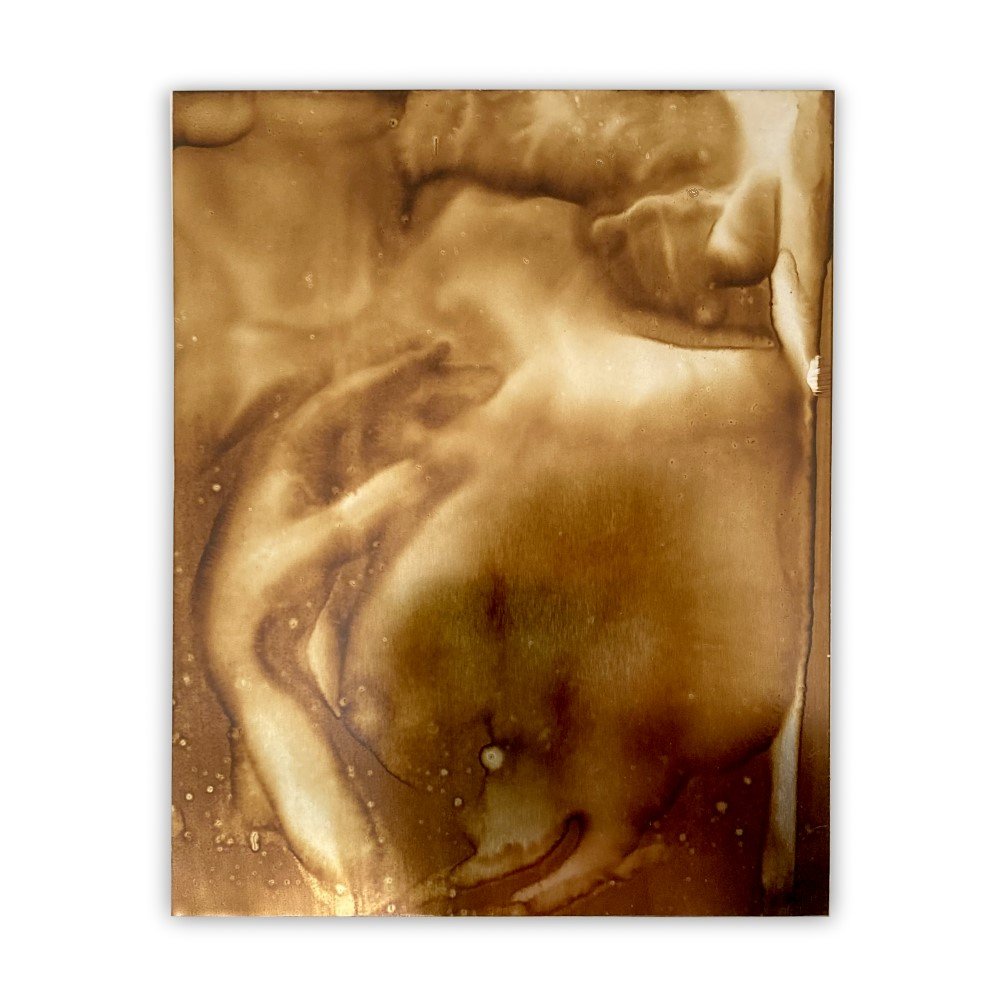
Die Umarmung, 2017/2019
Dimensions: approx. 12,5 × 16 cm, passe-partout 30 × 40 cm
Material: tinplate, Bitumen of Judea, lavender oil
Method: heliography, produced according to the process of Joseph Nicéphore Niépce (1822/1827)
Unique work
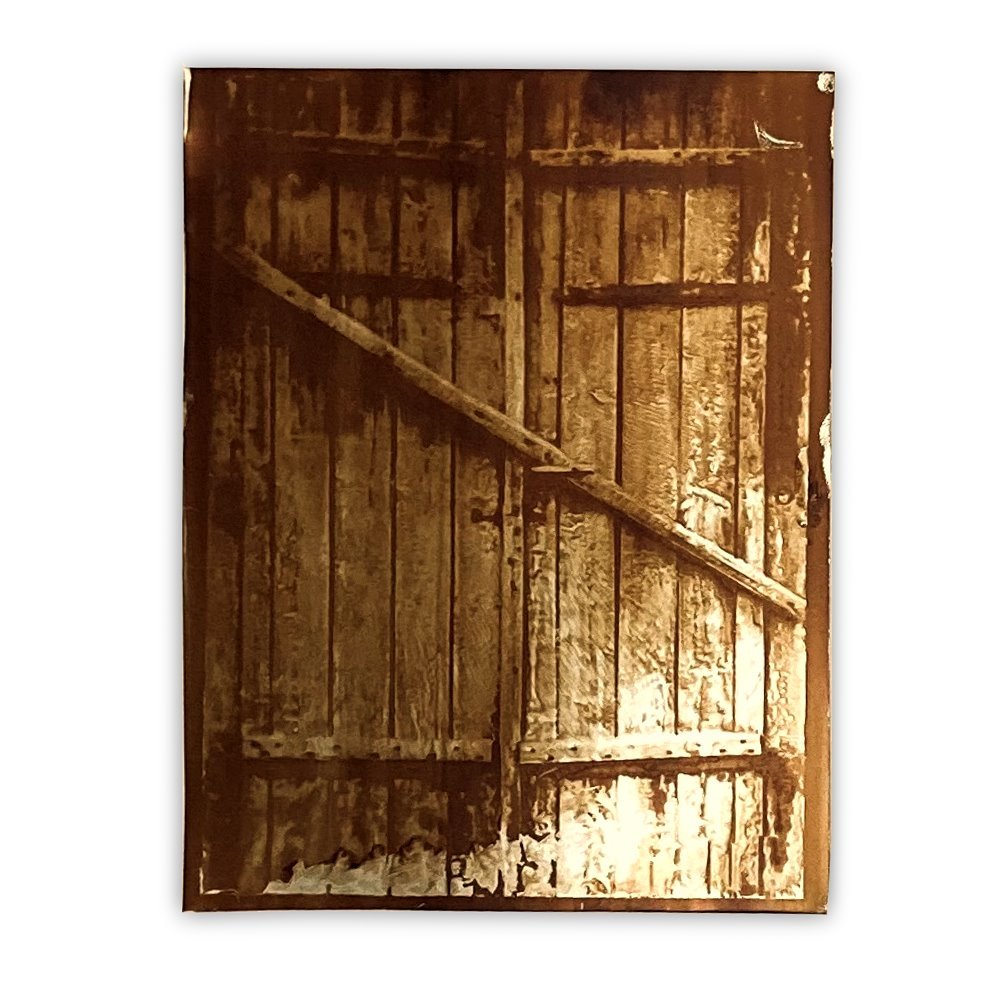
Door, 2017/2019,
Dimensions: approx. 18 × 24 cm, passe-partout 50 × 70 cm
Material: tinplate, Bitumen of Judea, lavender oil
Method: heliography, produced according to the process of Joseph Nicéphore Niépce (1822/1827)
Unique work
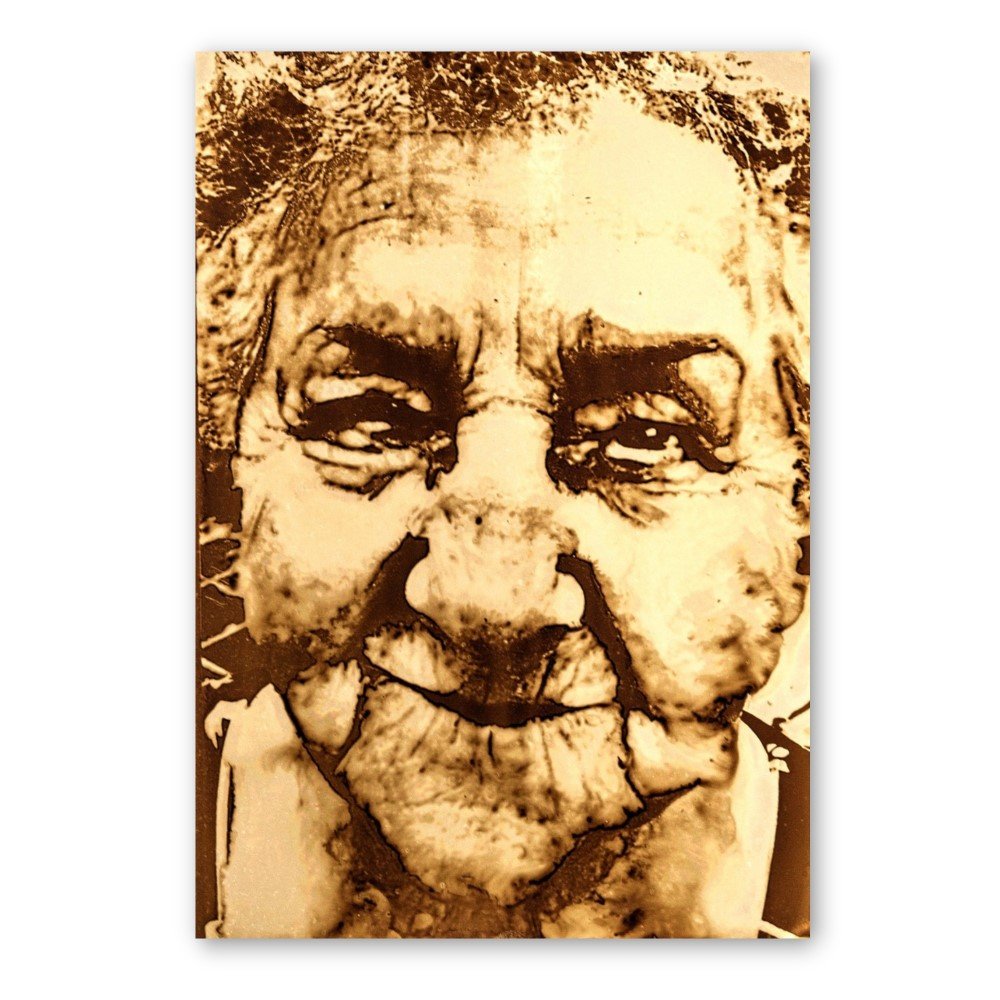
Mother, 2017/2019
Dimensions: approx. 19 × 28 cm, passe-partout 50 × 70 cm
Material: tinplate, Bitumen of Judea, lavender oil
Method: heliography, produced according to the process of Joseph Nicéphore Niépce (1822/1827)
Unique work
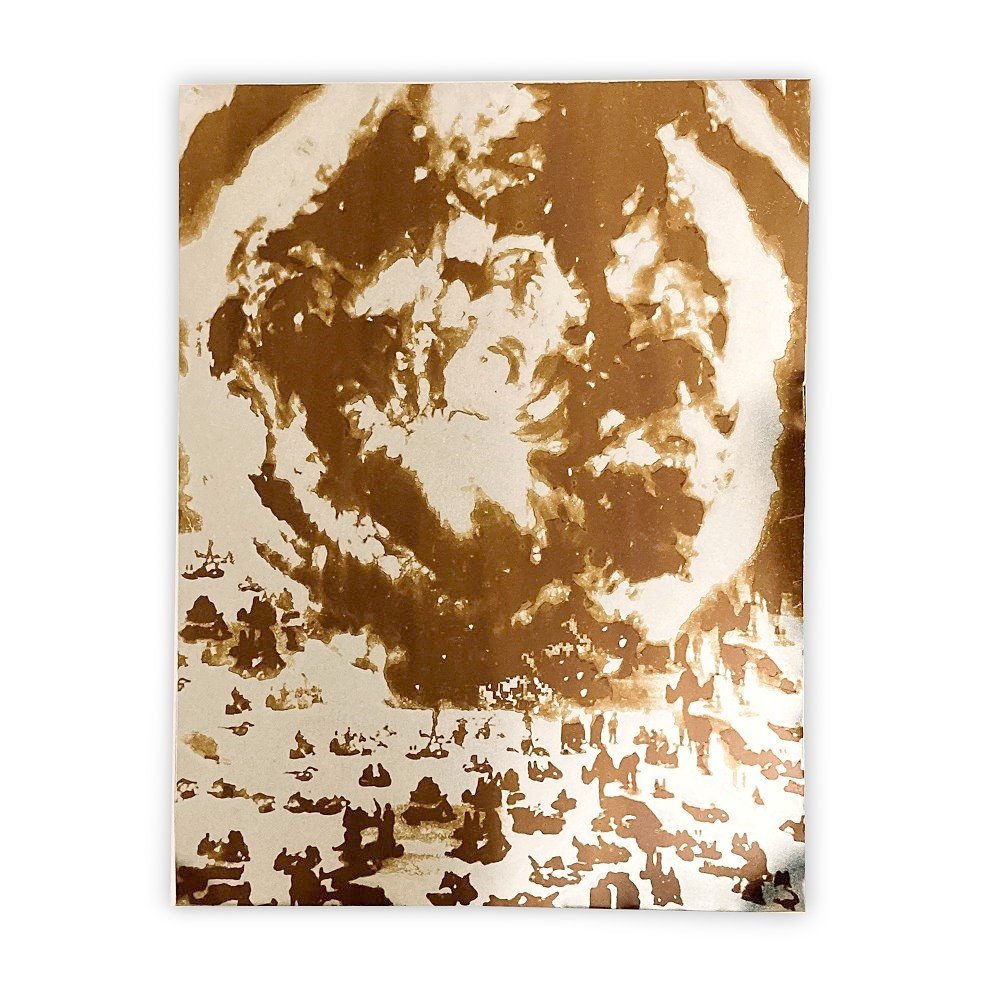
Sunday, 2017/2019,
Dimensions: approx. 15,5 × 22 cm, passe-partout 21 × 30 cm
Material: tinplate, Bitumen of Judea, lavender oil
Method: heliography, produced according to the process of Joseph Nicéphore Niépce (1822/1827)
Unique work
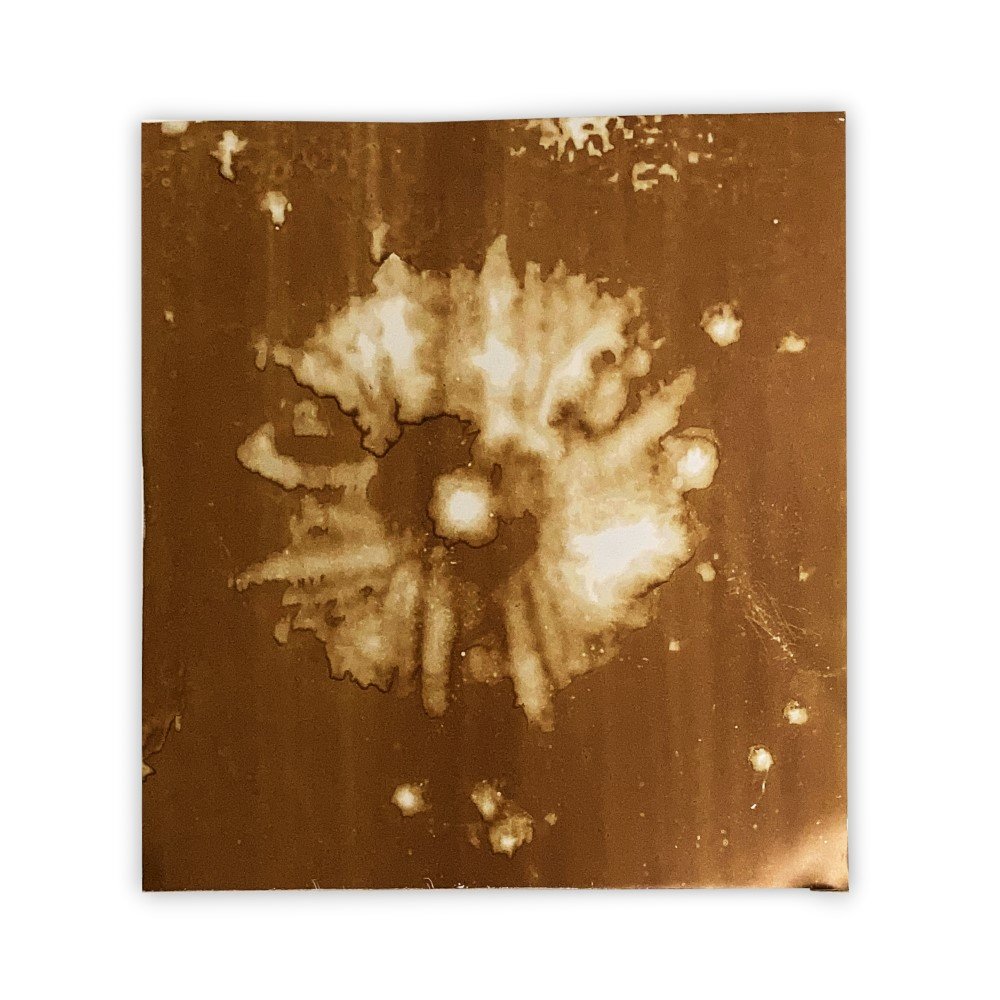
A Little Longer…, 2017/2019
Dimensions: approx. 15 × 16 cm, passe-partout 21 × 30 cm
Material: tinplate, Bitumen of Judea, lavender oil
Method: heliography, produced according to the process of Joseph Nicéphore Niépce (1822/1827)
Unique work
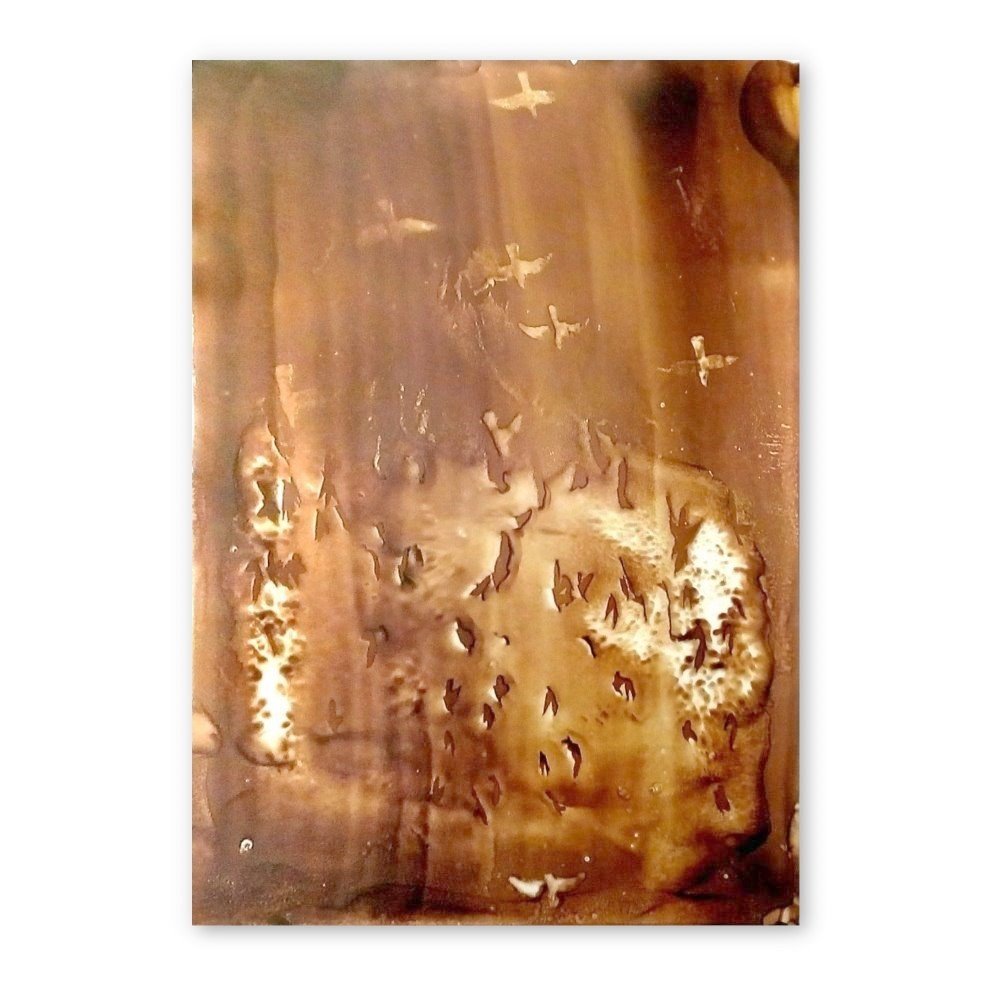
View from my window, 13.10.2017, 2017/2019,
Dimensions: approx. 17 × 24 cm, passe-partout 50 × 70 cm
Material: tinplate, Bitumen of Judea, lavender oil
Method: heliography, produced according to the process of Joseph Nicéphore Niépce (1822/1827)
Unique work
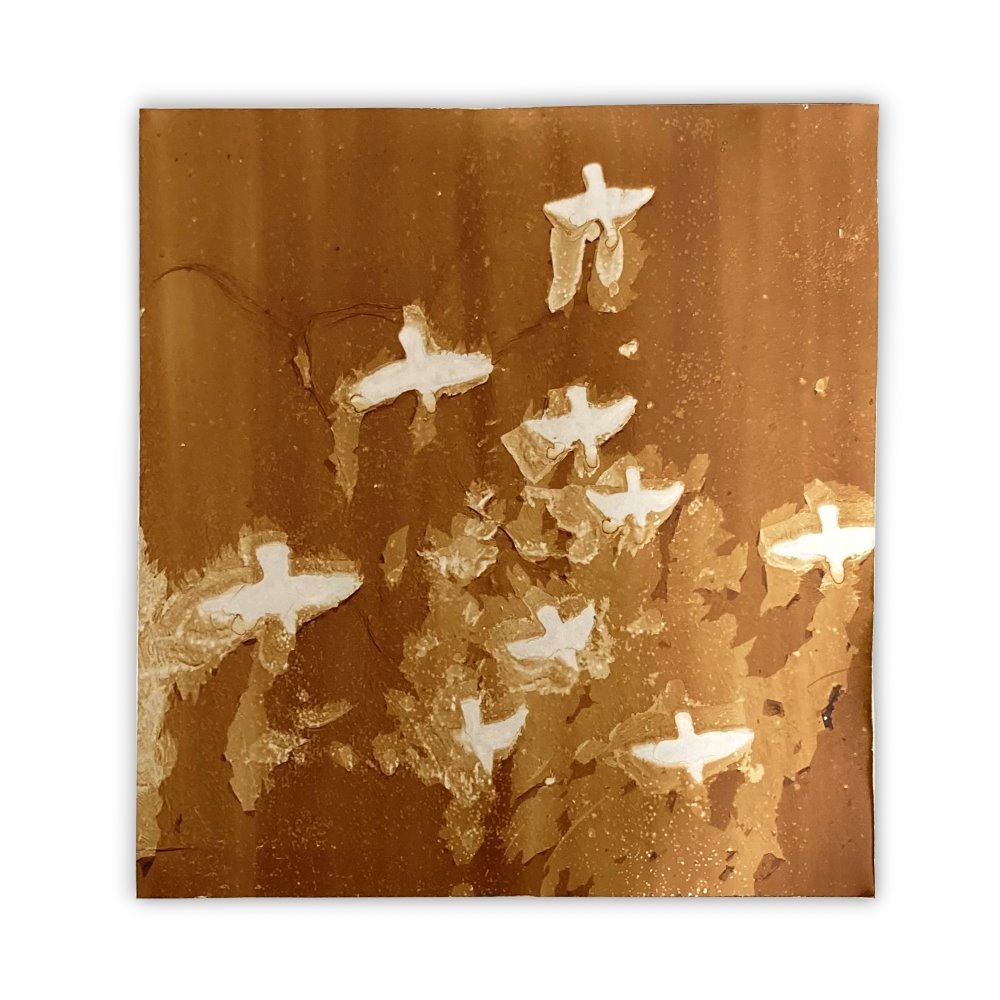
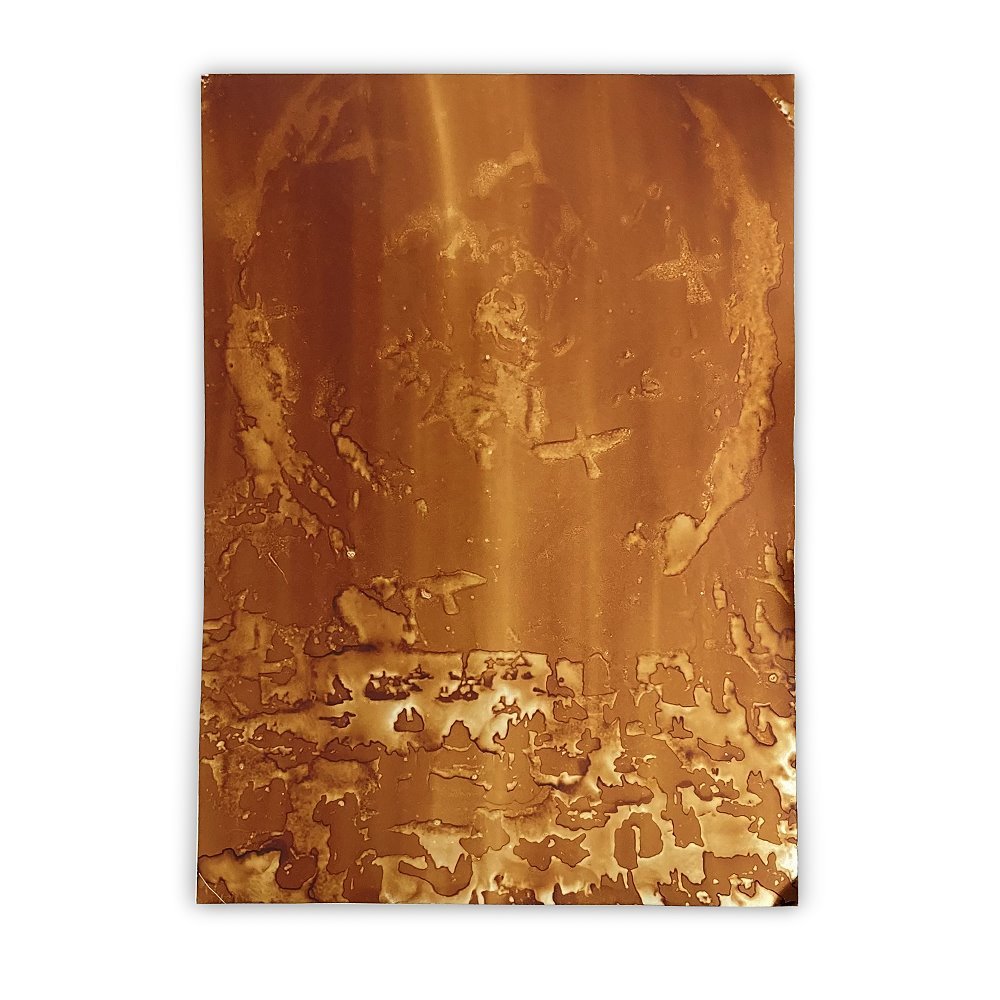
. . .
I-Cancer 13.10.2017
This work marks a profound intersection of historical technique and personal experience. I created it using the original heliography process developed by Joseph Nicéphore Niépce in 1822/1827 — the world’s first permanent photographic method. The process uses Syrian asphalt (Bitumen of Judea), dissolved in lavender oil, applied to tinplate and exposed to sunlight for several hours.
Part of the series “Forever and Ever, Heliography for my Sons,” this work was made during my cancer diagnosis in 2017. From a moment of existential crisis, it became a meditation on permanence and legacy.Dieses Werk markiert eine tiefgreifende Schnittstelle zwischen historischer Technik und persönlicher Erfahrung. Ich habe es mit dem ursprünglichen Heliographie-Verfahren geschaffen, das Joseph Nicéphore Niépce 1822/1827 entwickelte – dem weltweit ersten dauerhaften fotografischen Verfahren. Dabei verwende ich Syrischen Asphalt (Bitume de Judée), in Lavendelöl gelöst, auf Zinnplatten, die über mehrere Stunden dem Sonnenlicht ausgesetzt werden.
Als Teil der Serie „Forever and Ever, Heliography for my Sons“ entstand dieses Werk während meiner Krebsdiagnose im Jahr 2017. Aus einem Moment existenzieller Krise entwickelte sich eine Meditation über Beständigkeit und Vermächtnis.
. . .